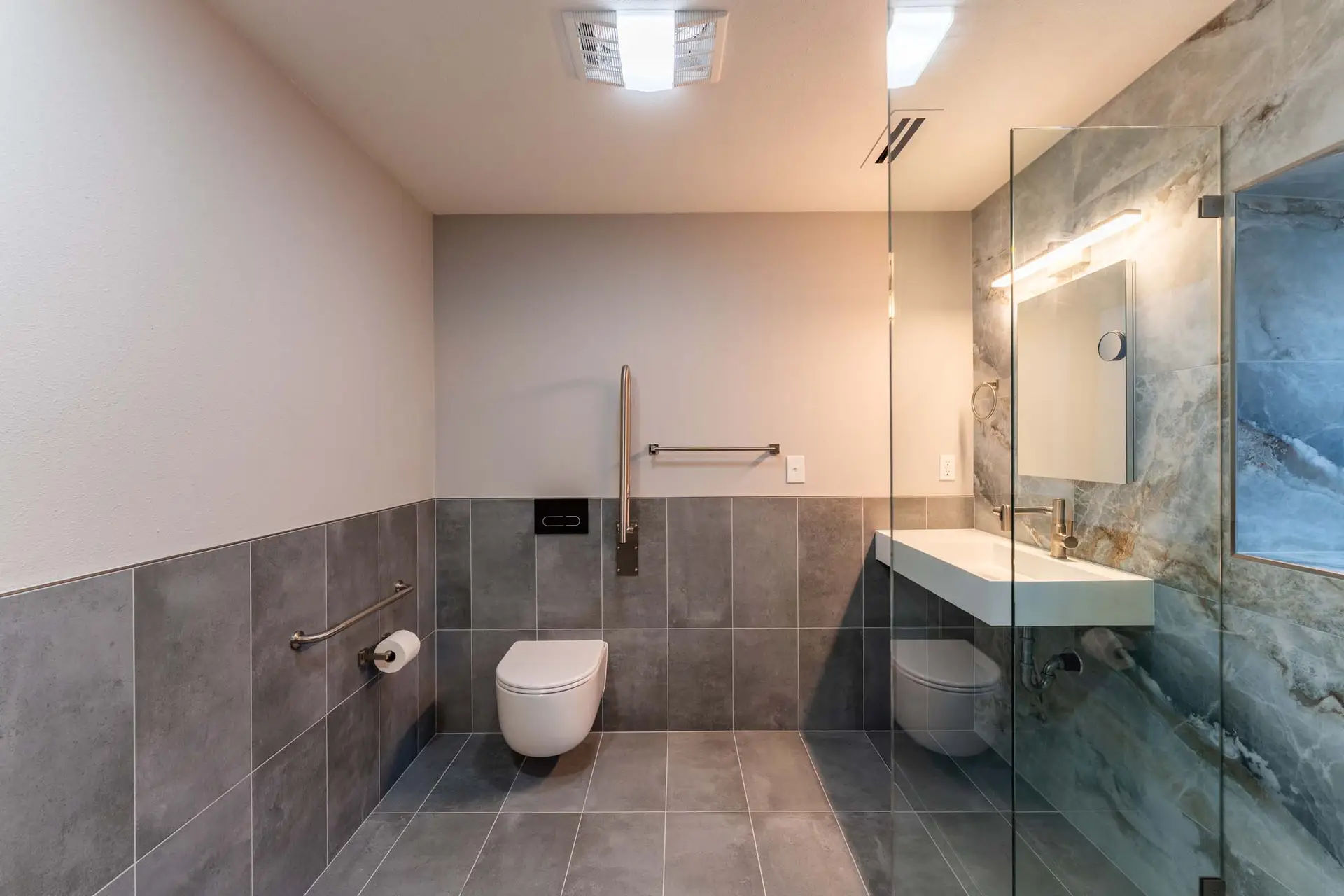
Seattle Bathroom Remodeling Timeline And Planning Overview
Bathroom remodeling is not just a construction project—it’s a process tightly tied to permits, inspections, and sequencing that can make or break your timeline. Homeowners often ask one key question: how long will it actually take, and what slows it down? The answer comes down to planning, compliance, and coordination with local authorities.
In bathroom remodeling Seattle WA, timelines are influenced by permit approvals, contractor scheduling, and material availability. Seattle’s regulatory environment requires careful navigation, especially when plumbing, electrical, or structural updates are involved. Projects that are properly planned can move forward without friction, while poorly prepared remodels tend to stall due to missed inspections or incomplete documentation.
Understanding the process up front helps avoid costly delays, keeps the project on track, and ensures everything meets code requirements from day one.
Typical Project Phases And Duration Expectations In 2026
Bathroom remodeling isn’t a one-step job—it’s a chain reaction. Each phase depends on the one before it, and if one piece slips, the entire timeline shifts. In Seattle, where permitting and inspections are part of the process, timelines are more structured than in many other regions.
A standard bathroom remodel in 2026 typically ranges from 3 to 8 weeks, depending on the scope. Cosmetic upgrades move faster, while full remodels involving plumbing relocation or structural changes take longer due to approvals and inspections.
Core Phases Of A Bathroom Remodel
Every project follows a sequence that needs to be dialed in:
- Planning and design approval
- Permit submission and review
- Demolition and site preparation
- Rough plumbing and electrical work
- Inspections and corrections if needed
- Installation of fixtures, tile, and finishes
- Final inspection and project sign-off
Each stage must be completed before the next begins. Skipping steps or rushing ahead often leads to rework, which adds time and cost.
Timeline Breakdown By Phase
Project Phase | Estimated Duration (Seattle 2026) |
Planning & Design | 5–10 days |
Permit Approval | 7–21 days |
Demolition | 2–4 days |
Plumbing & Electrical Rough-In | 3–6 days |
Inspection Stage | 2–5 days |
Tile & Fixture Installation | 7–14 days |
Final Inspection & Completion | 2–3 days |
The table highlights where most delays occur—permit approvals and inspections. These stages depend on external scheduling, which means timing isn’t always in your control.
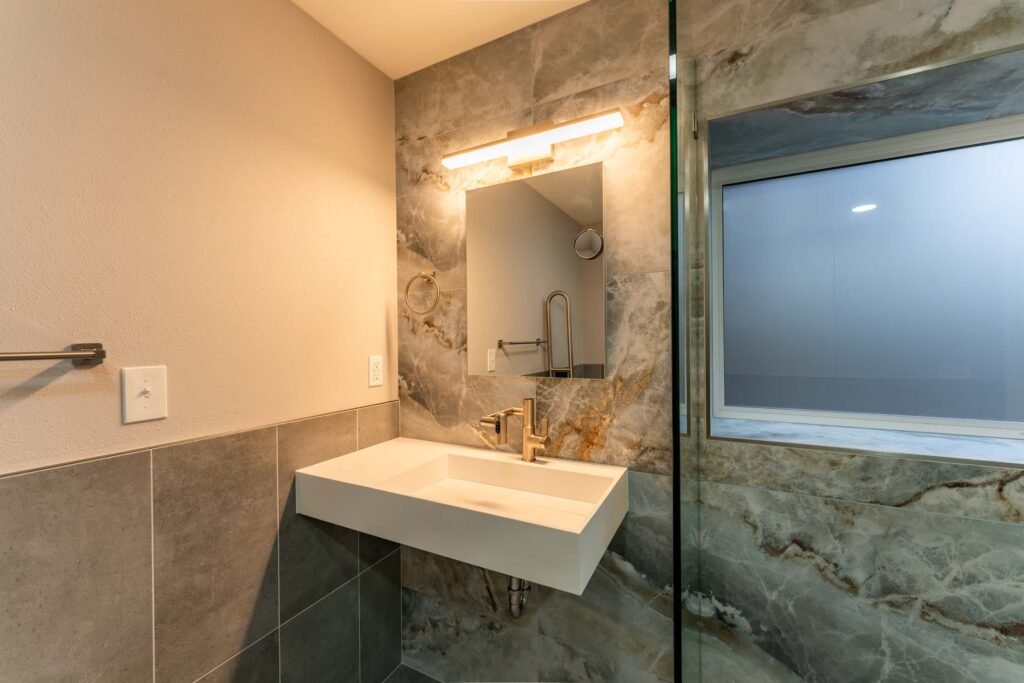
Factors That Extend Project Timelines
Several variables can stretch timelines if not handled early:
- Waiting on permit approvals from local authorities
- Material backorders or specialty item delays
- Inspection rescheduling due to failed checks
- Hidden issues discovered during demolition
- Contractor scheduling conflicts
In Seattle, permit review alone can add weeks if documentation isn’t complete. That’s why experienced planning upfront pays off.
Trends In Remodeling Timelines
Recent data shows that permit-related delays account for over 30% of total project extensions in Seattle remodeling projects. At the same time, projects that submit complete documentation upfront reduce delays by nearly 20%.
Another trend is the use of pre-approved design templates that align with local code requirements. These help speed up approvals and reduce back-and-forth with city departments.
Transform Your Home with Expert Builders
From remodeling to full construction, NW Expert Builders delivers quality craftsmanship, modern design, and seamless project execution—start your free consultation today.
Permit Requirements For Structural And Plumbing Changes
Permits are where many remodeling projects either stay on track or hit a wall. In Seattle, permits are not optional—they’re mandatory for most bathroom remodels that go beyond surface-level updates. If you’re moving plumbing, upgrading electrical systems, or altering structural components, you are required by law to obtain permits.
The primary authority overseeing this process is the Seattle Department of Construction and Inspections (SDCI). They regulate building, electrical, and plumbing permits to ensure all work meets safety and code standards.
When Permits Are Required
Permits are typically needed for:
- Relocating sinks, toilets, or showers
- Upgrading or rerouting plumbing systems
- Electrical wiring, lighting, or ventilation changes
- Structural modifications such as wall removal
- Adding or modifying exhaust systems
Skipping permits might seem like a shortcut, but it often leads to fines, project shutdowns, or complications during property resale.
Types Of Permits In Seattle Remodeling
Different aspects of the remodel require different approvals:
- Building permits for structural changes
- Plumbing permits for pipe installation or relocation
- Electrical permits are regulated by Washington State Department of Labor & Industries (L&I)
- Mechanical permits for ventilation and exhaust systems
Each permit has its own review process and inspection requirements.
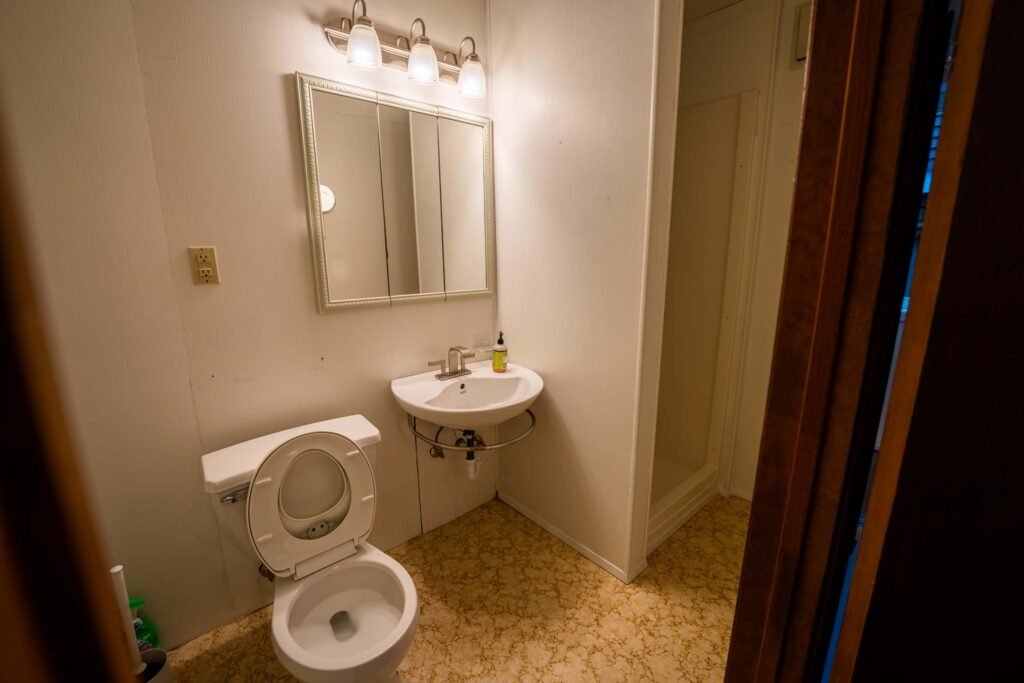
Inspection Process And Compliance
Once permits are approved, inspections become part of the workflow. Inspectors verify that work meets code before allowing the project to move forward.
Typical inspection checkpoints include:
- Rough plumbing and electrical inspection
- Framing inspection if structural work is involved
- Final inspection for overall compliance
Failing an inspection means corrections must be made before proceeding, which can delay the timeline.
Common Permit Mistakes That Cause Delays
- Submitting incomplete or inaccurate plans
- Not aligning design with local code requirements
- Scheduling inspections too late in the process
- Using unlicensed contractors for regulated work
These issues slow things down and often lead to additional costs.
Seattle has been tightening compliance standards, especially for ventilation and moisture control systems. Newer regulations emphasize proper airflow and energy efficiency, which directly impact bathroom remodel designs.
Digital permit submission has improved processing times, but only when applications are complete and accurate. Projects that meet all requirements upfront move through the system much faster.
Electrical And Ventilation Code Rules For Modern Bathrooms
Electrical and ventilation systems are where compliance becomes non-negotiable. Bathrooms combine water, heat, and electricity in a confined space, which is why Seattle enforces strict codes to reduce risk and improve long-term performance. These requirements are not just technical—they directly affect safety, energy efficiency, and moisture control.
Electrical work in Seattle must align with regulations enforced by the Washington State Department of Labor & Industries (L&I), while ventilation standards are reviewed through the Seattle Department of Construction and Inspections (SDCI). These authorities ensure installations meet current safety codes and performance benchmarks.
Electrical Requirements That Impact Remodeling
Modern bathroom electrical systems are designed to prevent overloads and reduce hazards. Ground fault circuit interrupters (GFCI) are required for outlets near water sources, and dedicated circuits are often needed for high-load fixtures like heated flooring or advanced lighting systems.
Lighting placement also plays a role. Proper spacing, moisture-rated fixtures, and sealed connections help prevent long-term issues caused by humidity exposure.
Ventilation Standards And Moisture Control
Ventilation is one of the most overlooked but critical elements in Seattle bathrooms. Without proper airflow, moisture builds up quickly, leading to mold growth, peeling finishes, and structural damage over time.
Key requirements include:
- Exhaust fans vented to the exterior, not into attics
- Minimum airflow ratings based on bathroom size
- Timed or humidity-sensing controls for consistent operation
Newer systems are designed to automatically adjust based on humidity levels, which improves performance without relying on manual operation.
Why Code Compliance Affects Timeline
Electrical and ventilation work must be inspected before walls are closed. If installations don’t meet code, corrections are required before moving forward. This can push timelines back if not handled correctly from the start.
Recent data shows that code-related corrections account for nearly 20% of inspection delays in Seattle remodeling projects. Proper planning and experienced installation significantly reduce this risk.
2026 Trends In Bathroom Systems
Bathroom remodeling in Seattle WA is becoming more integrated, with smart ventilation systems and energy-efficient lighting leading the way. These systems not only improve comfort but also help meet stricter energy codes introduced in recent years.
Electrical and ventilation systems are not just background elements—they’re core components that determine how well the space functions over time. Getting them right ensures the remodel performs as intended without ongoing issues.
Inspection Process And Approval Stages Explained
Inspections are the checkpoints that keep a remodeling project on track and compliant. In Seattle, inspections are tied directly to permit approvals, and each phase must be cleared before moving forward. This process ensures that all work meets safety standards and building codes.
The inspection process is managed primarily through SDCI, with additional oversight from L&I for electrical systems. Each inspection must be scheduled at the appropriate stage, and missing or failing one can bring the project to a standstill.
Key Inspection Stages In Bathroom Remodeling
Every project includes multiple inspection points. These typically occur after critical systems are installed but before they are concealed.
The main stages include:
- Rough-in inspection for plumbing and electrical systems
- Framing inspection if structural changes are made
- Insulation and ventilation checks where applicable
- Final inspection for full system compliance
Each stage must pass before the next phase can begin.
What Inspectors Look For
Inspectors focus on code compliance, safety, and installation quality. They review pipe connections, wiring setups, ventilation routing, and overall workmanship.
Common issues that trigger corrections include improper pipe slopes, incorrect wiring configurations, and inadequate ventilation systems. These are not minor details—they directly affect system performance and safety.
Scheduling And Timing Considerations
Inspection scheduling depends on availability, and delays can occur during peak remodeling seasons. Planning inspections in advance helps keep the timeline intact.
Projects that fail inspections often experience delays of 3 to 7 days per correction cycle, depending on how quickly issues are resolved and re-inspections are scheduled.
Avoiding Inspection Delays
Preparation is the key to staying on schedule. Ensuring that all work is completed according to approved plans reduces the likelihood of failed inspections.
Working with experienced professionals who understand local codes helps streamline the process and minimizes back-and-forth with inspectors.
2026 Updates In Inspection Processes
Seattle continues to expand digital scheduling and reporting systems, making it easier to track inspection status. However, the fundamentals remain the same—compliance, accuracy, and timing determine how smoothly the process moves. Inspections are not obstacles—they’re safeguards. When handled correctly, they keep the project moving forward without unnecessary setbacks.
Common Delays And How To Avoid Timeline Setbacks
Delays in bathroom remodeling are rarely random—they usually stem from predictable issues that can be addressed early. In Seattle, most setbacks are tied to permits, inspections, and coordination between different trades.
Understanding where delays come from is the first step in avoiding them.
Most Frequent Causes Of Delays
- Incomplete permit applications requiring revisions
- Inspection failures due to code violations
- Material shortages or delivery delays
- Hidden structural or plumbing issues discovered during demolition
Each of these factors can push timelines back if not managed properly.
How To Keep The Project Moving
The best way to avoid delays is to stay proactive. Clear planning, accurate documentation, and proper scheduling make a significant difference.
Projects that follow structured timelines and coordinate trades effectively tend to stay on track. Communication between contractors, inspectors, and homeowners is critical to maintaining momentum.
Impact Of Delays On Overall Costs
Time is money in remodeling. Extended timelines increase labor costs, delay project completion, and may lead to additional expenses for temporary arrangements or material storage.
Data from recent remodeling reports indicates that projects with delays can see cost increases of 10–20%, depending on the duration and complexity of the setback.
Insights On Project Efficiency
The use of project management tools and digital scheduling has improved efficiency in many Seattle remodeling projects. These tools help track progress, manage timelines, and reduce miscommunication between teams.
Still, the fundamentals remain unchanged—planning, coordination, and compliance determine how smoothly a project runs. Delays are not inevitable. With the right approach, they can be minimized or avoided altogether.
Cost Factors That Impact Scheduling And Permit Approvals
Cost and timeline are closely linked. Decisions made during budgeting directly affect how quickly a project moves forward. In Seattle, higher-quality materials and experienced labor often lead to fewer delays, while cutting corners can slow things down.
Key Cost Drivers In Bathroom Remodeling
- Scope of work and level of customization
- Material quality and availability
- Permit fees and inspection requirements
- Labor rates and contractor expertise
These factors influence not only the total cost but also how efficiently the project progresses.
Relationship Between Budget And Timeline
Projects with well-defined budgets tend to move faster because decisions are made upfront. Unclear budgets lead to changes during construction, which can delay approvals and installations.
Investing in quality materials and skilled labor often reduces the need for rework, which saves time in the long run.
Permit Costs And Processing Time
Permit fees vary depending on the scope of the project. More complex remodels require additional reviews, which can extend processing time.
Submitting accurate plans helps avoid revisions and speeds up approval. Incomplete applications often result in delays that could have been avoided with proper preparation.
2026 Market Trends In Remodeling Costs
Material prices have stabilized compared to previous years, but demand for skilled labor remains high. This has increased the importance of early scheduling to secure experienced contractors.
Homeowners are focusing more on long-term value, choosing materials and systems that reduce maintenance and improve durability. Cost planning is not just about numbers—it’s about making decisions that keep the project moving without unnecessary interruptions.
Choosing The Right Contractor For Smooth Project Execution
The contractor you choose plays a direct role in how the project unfolds. Experience, knowledge of local codes, and project management skills determine whether the remodel stays on track or runs into delays.
What To Look For In A Contractor
- Familiarity with Seattle permit processes and regulations
- Experience with similar remodeling projects
- Ability to coordinate multiple trades efficiently
- Clear communication and scheduling practices
These factors help ensure the project moves forward without unnecessary complications.
Why Experience Matters In Seattle Projects
Seattle’s regulatory environment requires a detailed understanding of permits and inspections. Contractors who are familiar with local requirements can navigate the process more efficiently, reducing delays and avoiding common mistakes.
Long-Term Benefits Of Choosing The Right Team
A well-managed project not only finishes on time but also delivers better performance over the long term. Proper installation, code compliance, and attention to detail all contribute to durability and reliability.
How To Move Forward With Confidence
A successful remodel starts with the right planning and the right team. Every decision—from materials to scheduling—affects how the project performs both during construction and after completion. If you’re planning a remodel and want a smoother process from permits to final inspection, contact NW Expert Builders. Our team can assist with planning, compliance, and execution to help keep your project on schedule and built to last.
FAQ – People Also Ask
Most projects take between a few weeks to two months, depending on scope, approvals, and inspections. Delays usually come from permit processing and the scheduling of required checks.
Yes, approvals are required for plumbing, electrical, or structural changes. Local authorities review plans and inspect work to ensure everything meets safety standards.
Projects typically include rough-in checks for plumbing and wiring, followed by a final review. Each stage must be approved before moving forward to the next phase.
Common issues include incomplete applications, failed inspections, material delays, and unexpected conditions discovered during demolition. Proper planning helps reduce these risks.
Preparation is key. Submitting accurate plans, scheduling inspections early, and working with experienced professionals can help keep the project moving without unnecessary setbacks.