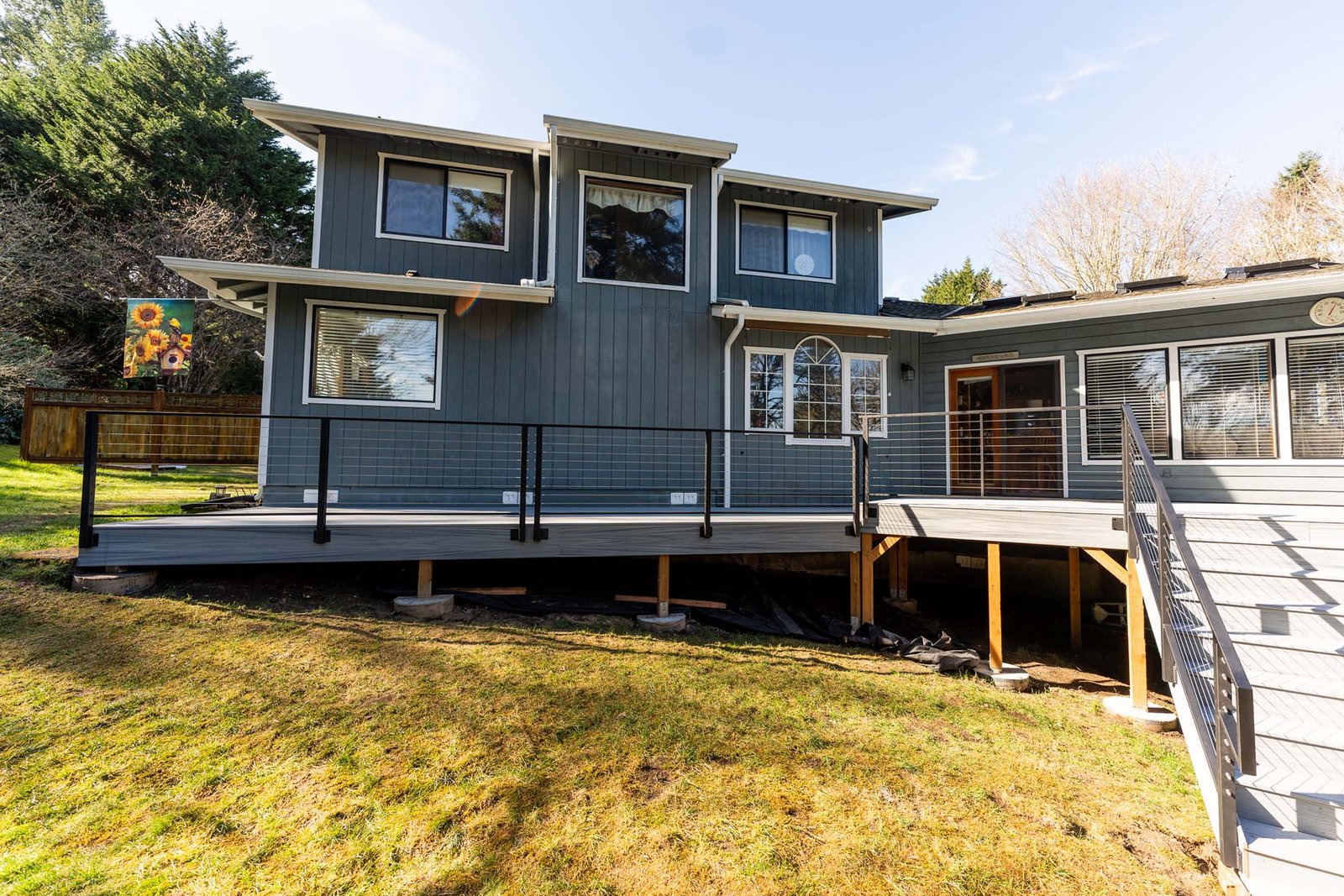
Seattle WA Homeowners Shift Toward Smarter Renovation Planning
Planning a renovation in Seattle isn’t just about aesthetics—it’s about working around moisture exposure, aging housing stock, and rising material costs. That’s why demand for Home Renovation and Remodeling Seattle WA continues to climb in 2026. Homeowners are shifting from reactive fixes to strategic upgrades that improve energy efficiency, layout functionality, and long-term value.Smart Home Technology Upgrades Driving Modern Living In 2026
What’s Driving Smart Renovation Demand
- Rising utility costs pushing energy-efficient automation
- Increased demand for remote monitoring and control
- Integration with renewable energy systems
- Property value growth tied to smart home compatibility
High-Impact Smart Upgrades Gaining Traction
- Smart HVAC zoning systems improving airflow and efficiency
- Automated lighting systems reducing electricity consumption
- Leak detection sensors preventing costly water damage
- Smart kitchen appliances improving energy usage patterns
Performance And Cost Considerations
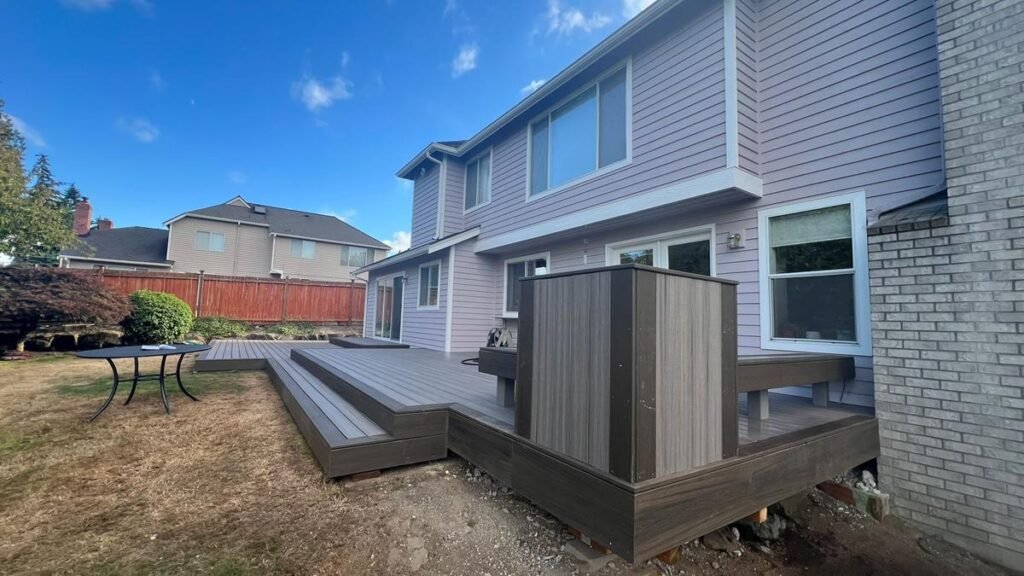
Sustainable Materials And Energy Efficiency Trends Gaining Popularity
Why Sustainable Renovation Matters In Seattle
- Improved insulation and lower heating costs
- Reduced risk of mold and moisture-related damage
- Longer material lifespan under wet conditions
- Compliance with updated local building standards
Materials And Systems Leading 2026 Renovation Projects
- Engineered wood and composite materials resistant to moisture
- Low-VOC finishes improving indoor air quality
- High-performance insulation systems reducing heat loss
- Energy-efficient windows designed for Pacific Northwest climates
Project Timeline And Efficiency Expectations
Project Phase | Estimated Timeframe |
Planning And Design | 2–4 Weeks |
Permit Approval | 2–6 Weeks |
Material Procurement | 1–3 Weeks |
Construction And Installation | 4–10 Weeks |
Final Inspection And Adjustments | 1–2 Weeks |
Cost vs Long-Term Value
Transform Your Home with Expert Builders
Cost Factors And Budget Planning For Renovation Projects 2026
What Impacts Renovation Costs Most
- Structural modifications such as wall removal or foundation adjustments
- Electrical and plumbing upgrades in older homes
- Permit and inspection requirements in Seattle WA
- Material selection, especially energy-efficient or custom finishes
How To Build A Realistic Budget
- Allocate 10–20% contingency for unexpected issues
- Prioritize structural and system upgrades before cosmetic work
- Factor in permit fees and inspection timelines early
- Plan material orders ahead to avoid price fluctuations
Cost Trends And ROI Balance
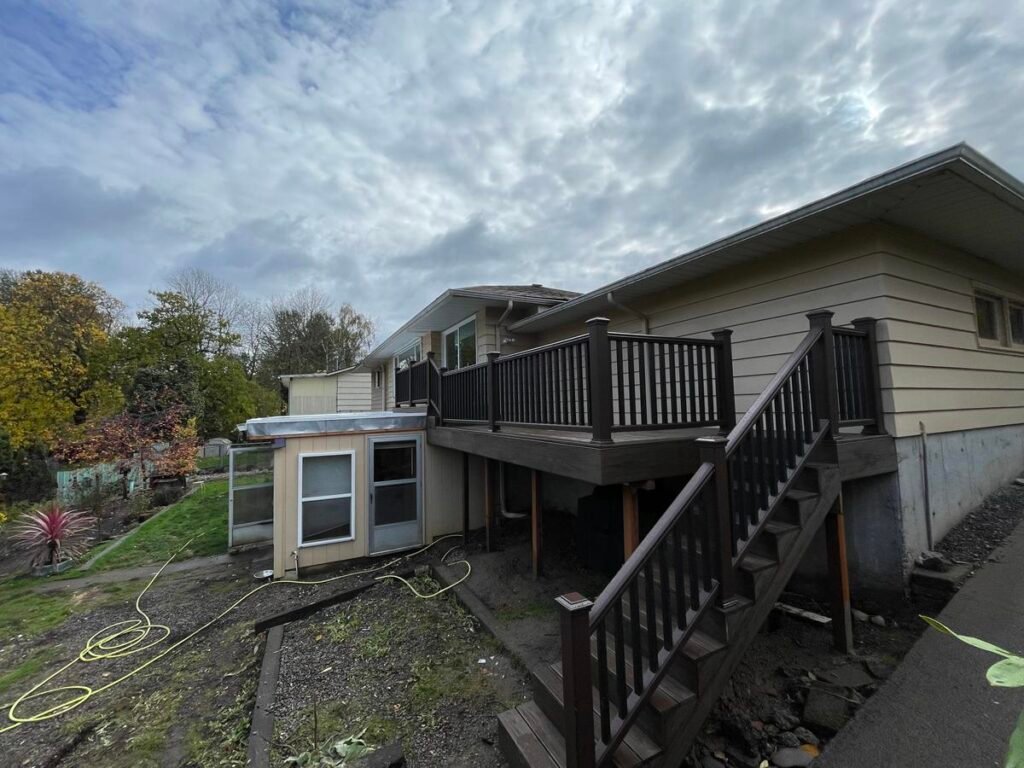
Layout Changes And Multifunctional Spaces In Seattle Properties
Why Layout Changes Are Driving Renovations
- Increased remote work driving demand for home office space
- Growing need for multifunctional living areas
- Storage optimization in smaller urban homes
- Improved natural light distribution across rooms
Popular Layout Trends In 2026
- Kitchen and living space integration for better flow
- Flexible rooms that function as office or guest space
- Built-in storage solutions reducing clutter
- Zoned layouts separating quiet and active areas
Structural And Planning Considerations
Permits Regulations And Local Building Requirements Seattle WA
What Requires A Permit In Seattle
- Structural changes including wall removal or additions
- Electrical system upgrades and panel replacements
- Plumbing modifications and fixture relocations
- Major kitchen and bathroom remodeling projects
How To Navigate The Permit Process
- Submit detailed plans with accurate measurements and scope
- Coordinate inspections at each project phase
- Allow extra time for approvals in high-demand periods
- Work with professionals familiar with local requirements
Why Compliance Matters Long-Term
ROI Insights Which Upgrades Increase Property Value In 2026
High-ROI Renovation Areas
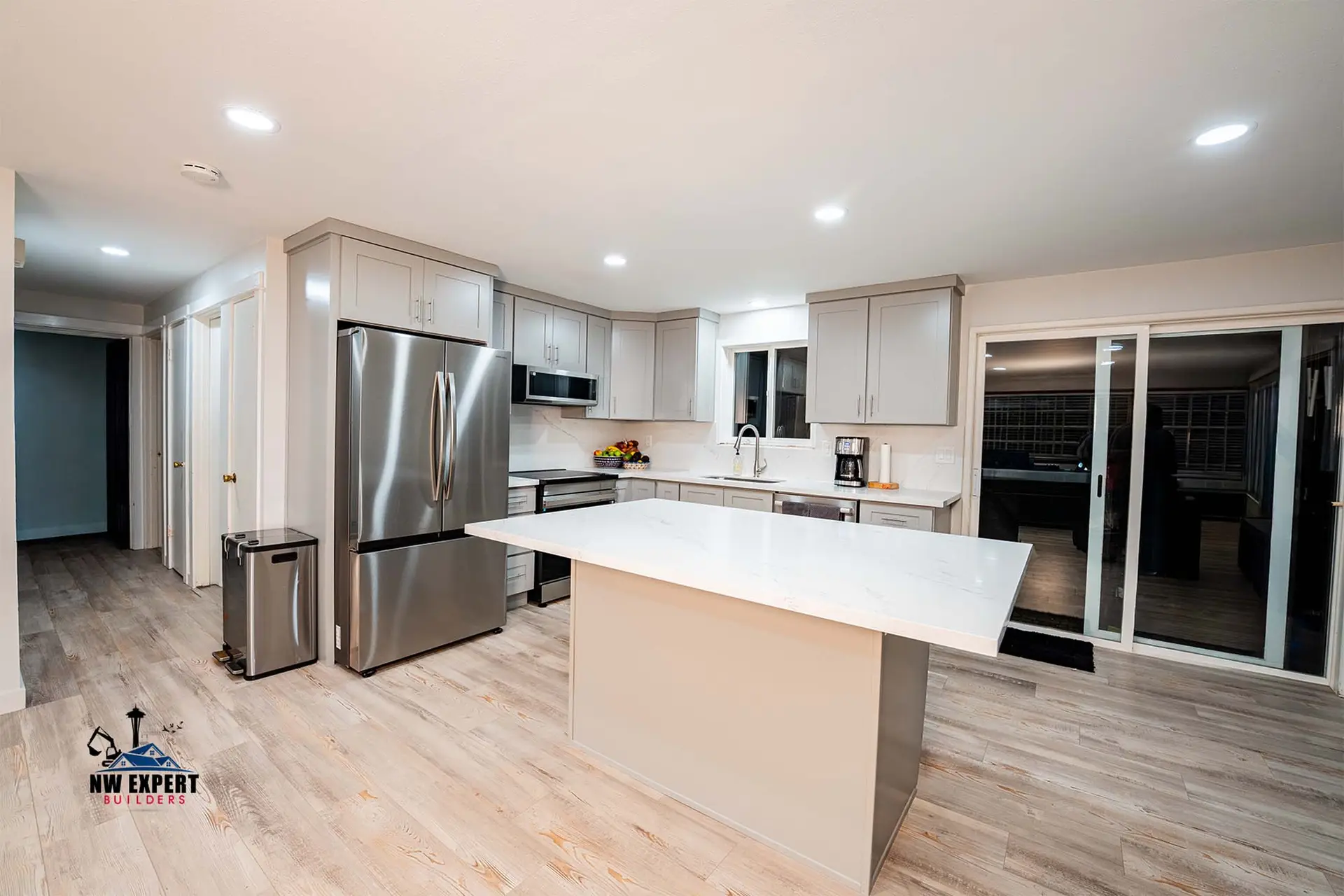
- Kitchen remodeling with modern layouts and efficient appliances
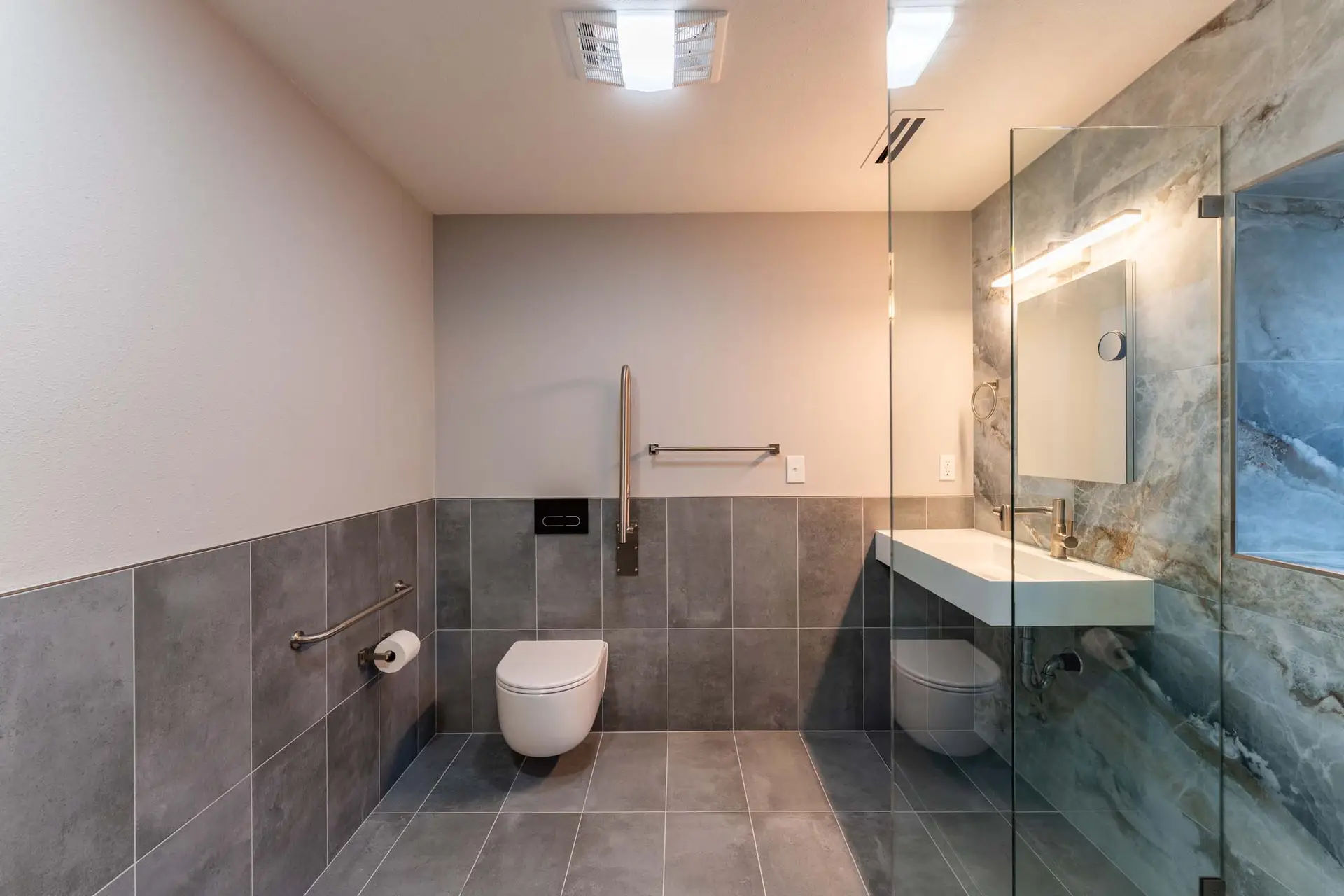
- Bathroom upgrades with durable materials and improved ventilation
- Energy-efficient windows and insulation systems
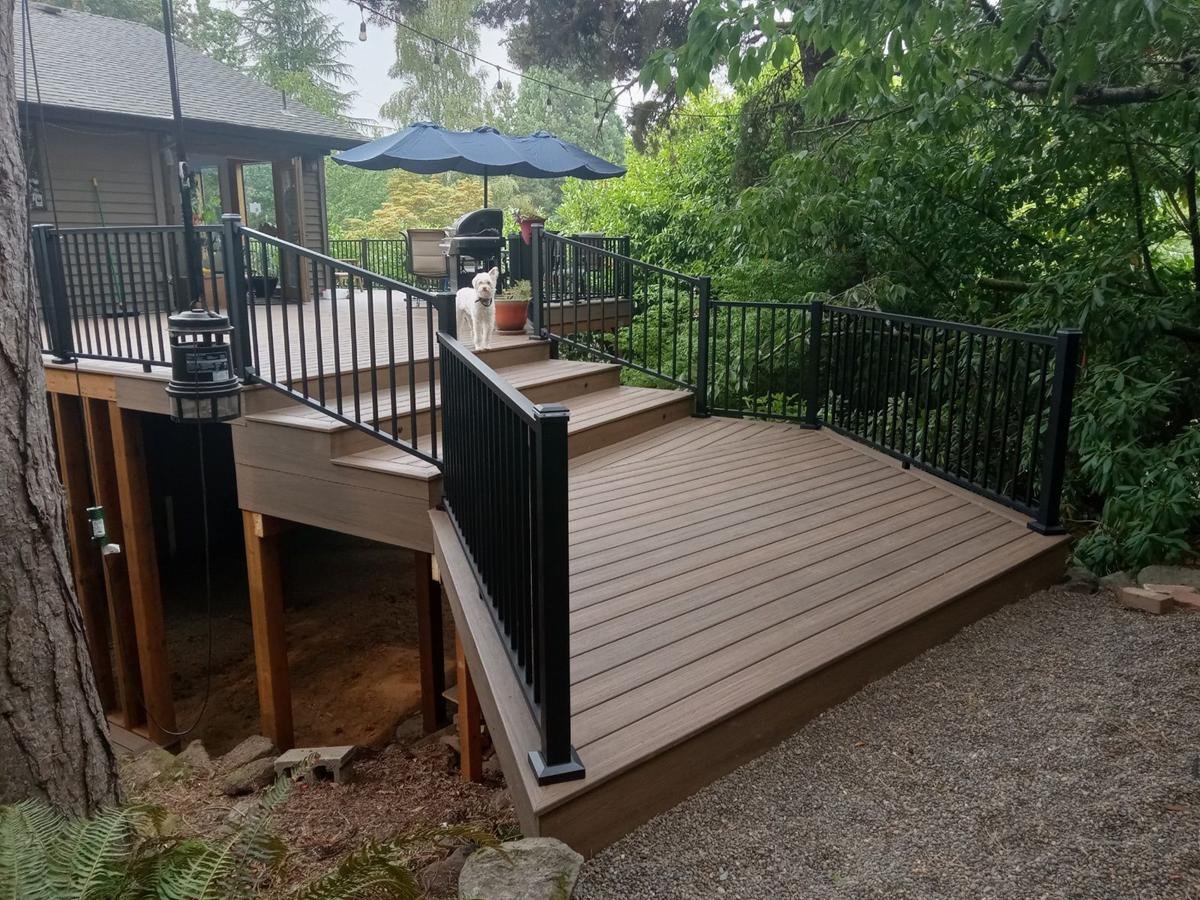
- Outdoor living spaces designed for year-round use
Market Trends Influencing Value
Balancing Cost And Value
- Focus on upgrades that solve real problems
- Avoid over-customization that limits buyer appeal
- Keep design choices aligned with local market trends
- Invest in quality materials that reduce maintenance
Why Hiring Professional Remodeling Experts In Seattle WA Matters
FAQ – People Also Ask
Costs vary depending on size, materials, and structural changes. In most cases, pricing ranges per square foot, with higher costs for complex upgrades, permits, and system replacements common in older properties.
Timelines depend on project scope and approvals. Smaller updates may take a few weeks, while full renovations can extend several months due to planning, permits, and construction phases.
Yes, many projects require approval, especially those involving structure, electrical, or plumbing. Local regulations are strict, and inspections are typically required at different stages of the process.
Improvements that enhance functionality, efficiency, and layout tend to deliver the strongest returns. Kitchens, bathrooms, and energy-saving upgrades are commonly prioritized by homeowners and buyers.
Projects can start year-round, but planning ahead is key. Many homeowners begin preparations earlier to account for scheduling, weather conditions, and approval timelines.
Costs vary based on size, scope, and materials, but most projects fall within a wide range due to labor rates and structural complexity. Older homes often require additional upgrades, which can increase overall expenses. Planning a detailed budget early helps avoid unexpected costs during the process.
Timelines depend on project complexity, permits, and material availability. Smaller upgrades may take a few weeks, while full-scale projects can extend over several months. Delays are often tied to inspections and approvals, so proper scheduling is key.
Upgrades that improve functionality, efficiency, and layout tend to deliver the strongest return. Buyers and homeowners prioritize practical improvements over purely cosmetic changes, especially those that reduce long-term maintenance and energy costs.
Many types of work require approval, especially when structural, electrical, or plumbing systems are involved. Local regulations are strict, and skipping permits can lead to fines or complications when selling the property later.
Projects are typically easier to manage during drier months, but planning can begin at any time. Starting early allows enough time to handle design, budgeting, and approvals before construction begins, helping avoid seasonal delays.