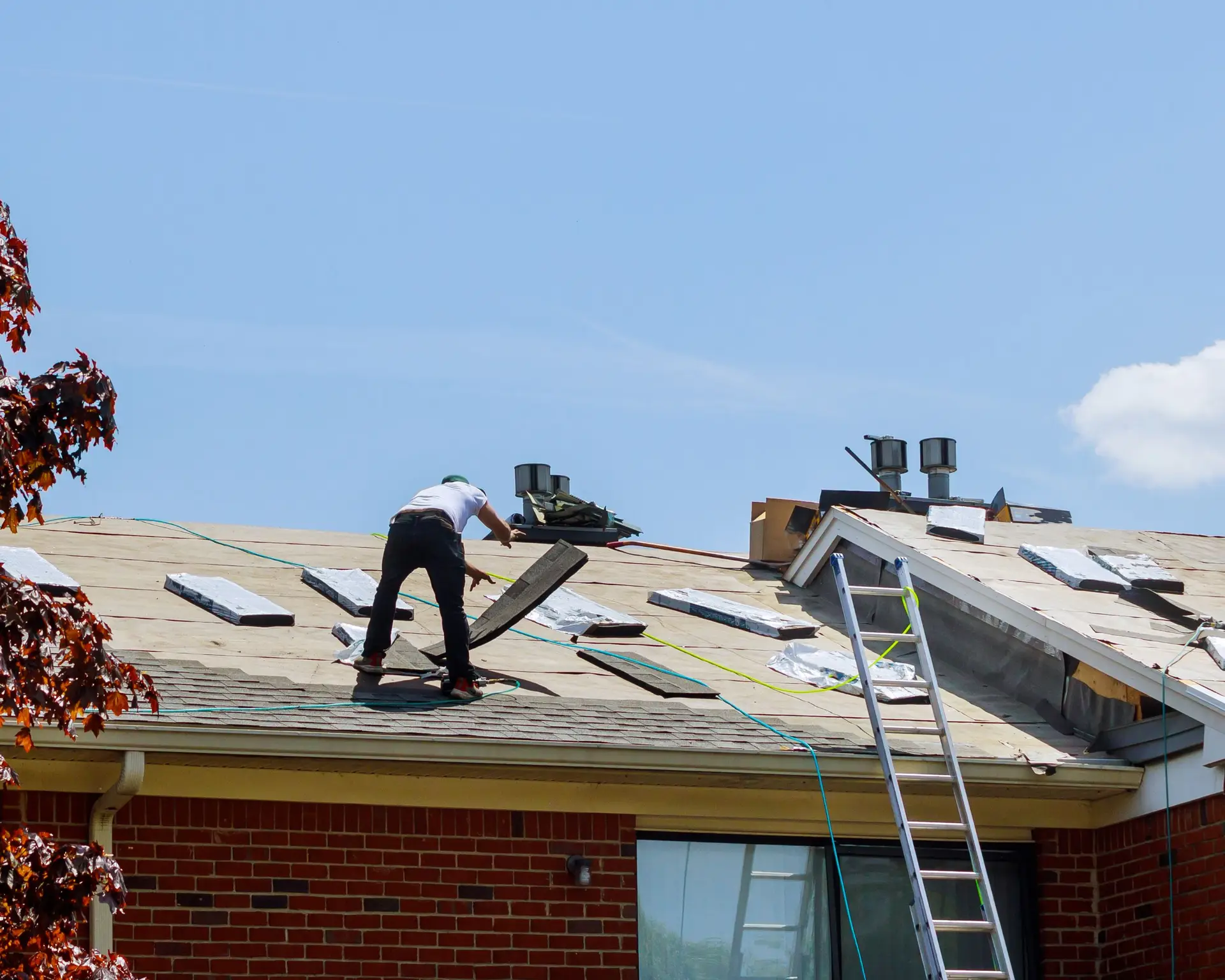
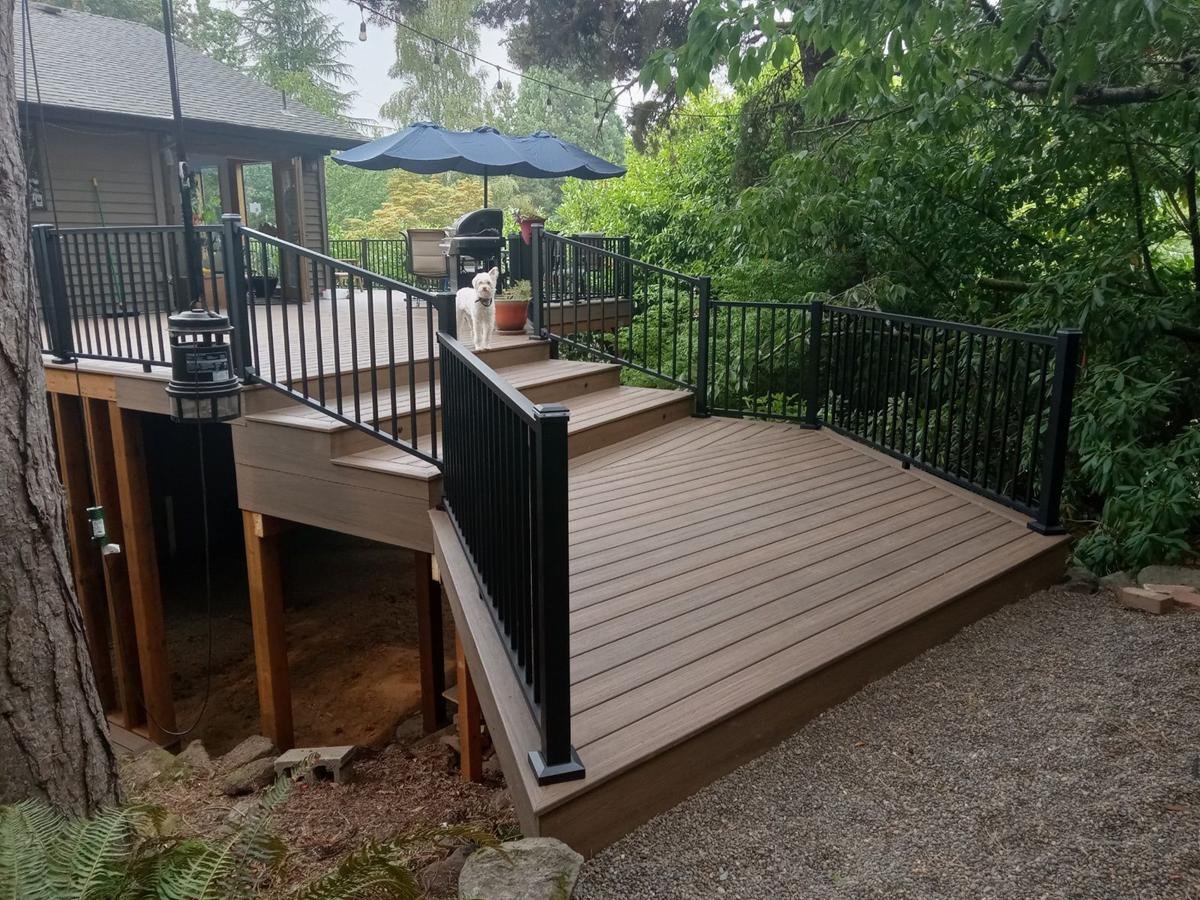
Why Deck Builder Seattle WA Projects Increase Before Summer Season 2026

Seattle Deck Construction Trends Leading Into Summer 2026

Building a deck in Seattle isn’t just about adding outdoor space—it’s about timing, material performance, and navigating seasonal demand. Homeowners often ask why projects seem to book out months in advance before summer even starts. The short answer comes down to weather windows, contractor availability, and permit timelines.
In deck builder Seattle WA projects, demand spikes early because spring offers the most stable conditions for construction. Waiting too long leads to scheduling bottlenecks and longer approval times. Contractors ramp up early to stay ahead of peak season, while homeowners aim to have projects completed before consistent outdoor use begins.
Understanding how timing, permits, and material selection all connect helps you plan smarter. The earlier you get started, the smoother the process runs—and the better your chances of avoiding delays that can stretch well into summer.

Seasonal Demand Surge And Scheduling Patterns In Spring Months

Seattle’s deck construction market follows a predictable rhythm. As soon as winter loosens its grip, demand starts climbing—and it doesn’t take long before schedules fill up. By late spring, most experienced contractors are already booked weeks or even months ahead.
This isn’t by chance. It’s driven by a combination of weather readiness, homeowner planning cycles, and contractor capacity. People want their outdoor spaces ready when the weather turns, not halfway through the season.

Why Spring Becomes The Peak Planning Window

Spring hits the sweet spot. Conditions are stable enough to begin construction, yet there’s still time to complete projects before summer kicks into full gear. Contractors prioritize early bookings to manage workload and secure material availability.
Several factors drive this surge:
  • Homeowners preparing for outdoor living season
  • Increased property upgrades tied to market activity
  • More favorable weather compared to the winter months
  • Contractor schedules opening after winter slowdown
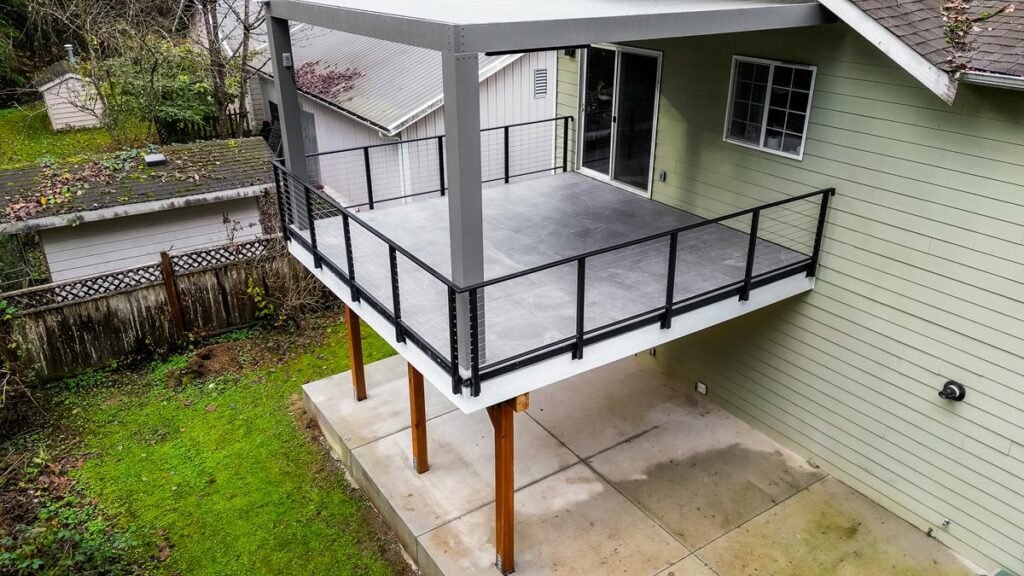
Once demand ramps up, it snowballs quickly. Waiting even a few weeks can push a project into the back of the line.

Scheduling Patterns And Contractor Availability

Contractor capacity is one of the biggest constraints in Seattle. Skilled crews can only handle a limited number of projects at once, and quality builders don’t overbook. That means once schedules fill, new projects are pushed out.
In 2026, data shows that deck contractors reach 70–85% capacity by early May, leaving limited availability for new projects before summer. This creates a ripple effect—late planners often face longer wait times or higher costs due to demand pressure.

Timeline Expectations During Peak Season


Project Stage


Typical Duration (Spring 2026)


Initial Consultation


3–5 days


Design & Planning


5–10 days


Permit Processing


7–21 days


Material Procurement


5–12 days


Construction Phase


7–14 days


The table highlights a key takeaway—permit processing and scheduling gaps are where most time is lost.

How Early Planning Changes The Outcome

Starting early doesn’t just secure a slot—it gives you flexibility. You can choose better materials, align timelines with weather conditions, and avoid rushed decisions.
Projects that begin planning in late winter or early spring tend to:
  • Finish before peak summer demand
  • Avoid material shortages
  • Experience fewer scheduling conflicts
Seattle’s market moves fast. Getting ahead of the curve means staying in control rather than reacting to delays.

Weather Conditions That Impact Build Timing And Material Selection

Seattle weather plays a bigger role in deck construction than most people realize. It’s not just about rain—it’s about moisture levels, temperature consistency, and how materials react over time.
Construction crews don’t just look at the forecast—they plan around patterns. Consistent moisture can slow progress, affect material installation, and extend timelines if not managed properly.

Moisture And Material Behavior

Wood and composite materials respond differently to moisture. Wood expands and contracts depending on humidity, while composite materials offer more stability but require precise installation to prevent long-term issues.
Moisture-related challenges include:
  • Delayed curing of sealants and finishes
  • Warping or swelling in untreated materials
  • Reduced adhesion for fasteners and coatings
Managing these factors is critical to ensuring the deck performs well long after installation.

Temperature And Installation Conditions

Seattle’s moderate climate is generally favorable, but temperature fluctuations still affect construction. Cooler temperatures can slow down installation processes, especially when adhesives or coatings are involved.
Contractors aim to work within optimal temperature ranges to maintain quality and efficiency.

Best Materials For Seattle Climate

Material choice directly impacts durability and maintenance. In Seattle, moisture resistance is the top priority.
Top-performing materials include:
  • Composite decking with low water absorption
  • Pressure-treated lumber designed for wet environments
  • Cedar with natural resistance to decay
  • PVC decking for maximum moisture protection
Each material has trade-offs between cost, maintenance, and longevity. The key is choosing one that aligns with both climate conditions and usage expectations.

2026 Trends In Deck Materials

Composite decking continues to dominate the market, with usage increasing by over 40% in recent years. Homeowners are leaning toward low-maintenance options that can handle constant exposure without frequent upkeep.
Another trend is hidden fastening systems, which reduce exposed hardware and limit moisture entry points—small details that make a big difference over time.

Why Weather Planning Matters

Ignoring weather conditions is where projects run into trouble. Proper scheduling ensures materials are installed under the right conditions, reducing the risk of long-term issues.
Seattle’s climate isn’t extreme, but it’s consistent—and that consistency requires a thoughtful approach. Planning around it keeps the project moving and ensures the finished deck holds up season after season.

Transform Your Home with Expert Builders

From remodeling to full construction, NW Expert Builders delivers quality craftsmanship, modern design, and seamless project execution—start your free consultation today.

Permit Requirements And Local Regulations For Outdoor Structures

Permits are a critical part of deck construction in Seattle, and skipping this step is where projects often hit a wall. Any deck that is attached to a structure, elevated above a certain height, or includes structural components requires approval before work begins. This process is managed by the Seattle Department of Construction and Inspections (SDCI), which oversees residential building permits and ensures compliance with safety codes.
Understanding permit requirements upfront keeps the project from getting sidelined midway. It’s not just paperwork—it’s a gatekeeper for scheduling, inspections, and final approval.

When A Permit Is Required

Most deck projects require permits, especially when structural elements are involved. Even smaller builds can trigger permit requirements depending on height and attachment.
Typical scenarios that require approval include:
  • Decks attached to a home or building
  • Elevated structures above 30 inches from grade
  • Projects involving new footings or framing systems
  • Additions that change the footprint of the property
Projects that don’t meet these criteria may still require review depending on zoning and location.

Permit Process And Timeline

The permit process involves submitting plans, undergoing review, and scheduling inspections. In Seattle, processing times vary based on project complexity and submission accuracy.
Well-prepared applications typically move faster, while incomplete plans can add weeks to the timeline. Review periods often range between one and three weeks, but revisions can extend that further.

Inspection Requirements During Construction

Once approved, inspections are required at key stages. These checkpoints ensure the structure meets code before moving forward.
The main inspection stages include:
  • Footing inspection before concrete is poured
  • Framing inspection to verify structural integrity
  • Final inspection to confirm compliance and safety
Missing or failing inspections leads to delays and potential rework, which can impact both timeline and budget.

Common Permit Challenges

Delays often stem from avoidable issues. Inaccurate plans, missing details, or non-compliant designs can slow down approvals and push back start dates.
Seattle’s regulations also emphasize load requirements, railing height standards, and proper drainage—details that must be addressed during planning.
Permits are not just a formality—they’re part of the foundation of a successful project. Getting them right keeps everything moving without unnecessary interruptions.

Material Options That Perform Best In Seattle Climate Conditions

Material selection can make or break a deck’s lifespan in Seattle. Constant exposure to moisture, combined with seasonal temperature changes, puts materials under continuous stress. Choosing the right option isn’t about aesthetics—it’s about performance under real conditions.

Key Material Categories And Performance

Different materials respond differently to Seattle’s environment. The goal is to find a balance between durability, maintenance, and cost.
Composite decking stands out for its resistance to moisture and minimal upkeep. It doesn’t absorb water like traditional wood, which reduces the risk of warping and decay.
Pressure-treated lumber remains a cost-effective option, but it requires ongoing maintenance to prevent moisture damage. Cedar offers natural resistance but still needs sealing to maintain performance over time.
PVC decking provides maximum protection against moisture, though it comes at a higher upfront cost.

Performance Factors That Matter Most

  • Resistance to water absorption and rot
  • Stability under temperature changes
  • Maintenance requirements over time
  • Compatibility with fasteners and framing systems
These factors determine how well the deck holds up year after year.

Maintenance And Longevity Considerations

Materials that require less maintenance tend to deliver better long-term value. Composite and PVC options reduce the need for sealing, staining, or frequent repairs.
Wood materials, while visually appealing, demand consistent upkeep. Without proper care, they can deteriorate faster in Seattle’s damp conditions.

Industry Shifts In Material Selection

Homeowners are increasingly prioritizing low-maintenance solutions. Composite materials now account for a significant share of new installations due to their durability and ease of care.
Another trend is the use of hidden fastening systems, which improve appearance and reduce exposure points for moisture. Material choice is a long-term decision. Selecting the right option upfront helps avoid ongoing repairs and ensures the deck remains functional and visually consistent over time.

Cost Factors And Project Planning Considerations

Cost is more than just the price tag—it’s a combination of materials, labor, permits, and timing. In Seattle, demand fluctuations and material selection heavily influence overall project costs.
Understanding where the money goes helps you plan better and avoid unexpected expenses.

What Drives Deck Construction Costs

  • Material type and quality
  • Project size and design complexity
  • Permit fees and inspection requirements
  • Labor availability and contractor expertise
Each factor contributes to both cost and timeline.

Deck Cost Breakdown In Seattle


Deck Type


Average Cost Per Sq Ft


Estimated Total (200 sq ft)


Pressure-Treated Wood


$25–$40


$5,000–$8,000


Cedar Decking


$35–$55


$7,000–$11,000


Composite Decking


$45–$70


$9,000–$14,000


PVC Decking


$60–$90


$12,000–$18,000


The table shows how material choice directly impacts overall investment.

Cost Versus Long Term Value

Lower-cost materials may save money upfront but often require more maintenance and earlier replacement. Higher-end materials reduce long-term costs by minimizing repairs and upkeep.
Homeowners are increasingly prioritizing:
  • Durability over short-term savings
  • Low maintenance requirements
  • Materials that retain appearance over time
This shift reflects a focus on long-term value rather than immediate cost.

Planning For Budget And Timeline Alignment
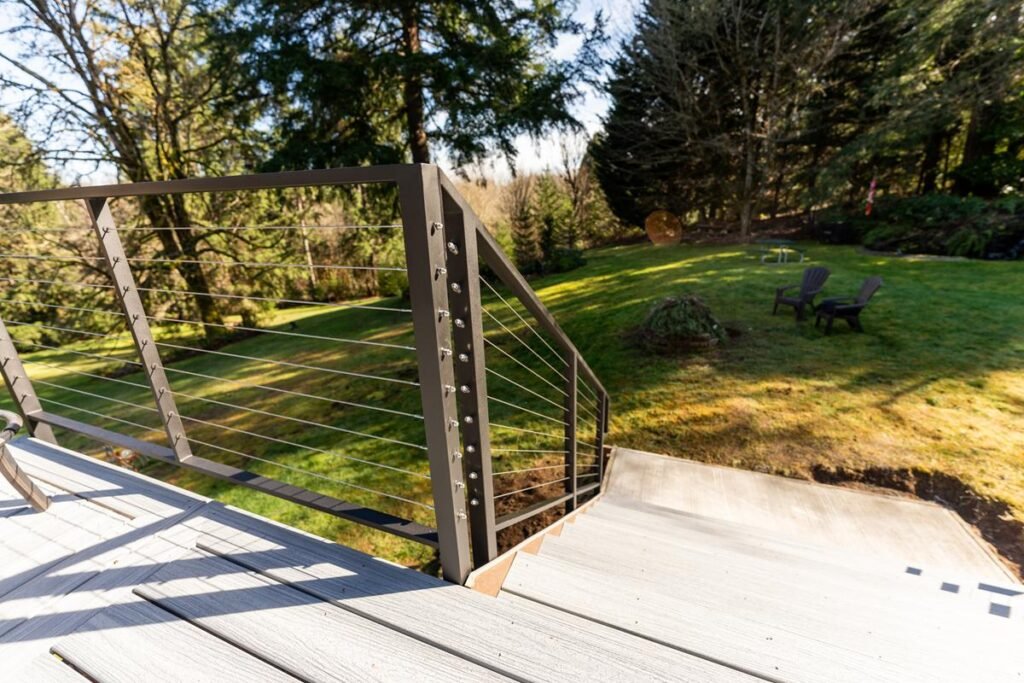
Budget decisions affect scheduling. Delays in material selection or design changes can extend timelines and increase costs. Clear planning from the start helps keep both cost and timeline under control. Aligning budget with realistic expectations ensures smoother execution.

Common Delays And How To Prepare For Smooth Installation

Delays are one of the biggest concerns in deck construction, and they rarely happen without warning. Most setbacks can be traced back to predictable issues—permits, materials, or scheduling conflicts.

Frequent Causes Of Project Delays

  • Permit approval delays due to incomplete submissions
  • Weather interruptions during construction phases
  • Material delivery issues or backorders
  • Scheduling conflicts with contractors
Each of these factors can extend the timeline if not addressed early.

Strategies To Keep The Project Moving

Preparation is the key to avoiding delays. Clear planning, accurate documentation, and early scheduling help maintain momentum.
Working with experienced professionals who understand local requirements also reduces the risk of unexpected setbacks.

Impact Of Delays On Costs And Completion

Extended timelines often lead to increased costs. Labor expenses rise, material prices may fluctuate, and project completion is pushed further out.
Projects that stay on schedule benefit from better cost control and fewer disruptions.

Improving Efficiency Through Planning

Using structured timelines and clear communication helps keep all parties aligned. When everyone knows what to expect, the project moves forward without unnecessary interruptions.
Delays don’t have to derail a project. With the right approach, they can be minimized and managed effectively.

Choosing The Right Deck Builder Seattle WA, for Lasting Results

Selecting the right contractor is one of the most important decisions in any deck project. Experience, knowledge of local regulations, and the ability to manage timelines all play a role in how smoothly the project unfolds.
A skilled builder understands how to navigate permits, coordinate inspections, and choose materials that perform well in Seattle’s climate. This expertise reduces delays and ensures the final result meets both functional and structural expectations.

What To Prioritize When Hiring

  • Proven experience with local projects and regulations
  • Clear project timelines and communication practices
  • Knowledge of material performance in wet climates
  • Ability to manage permits and inspections efficiently
These factors help ensure the project is completed on time and built to last.

Long Term Value Of Professional Execution

A well-executed deck not only enhances outdoor space but also adds long-term value to the property. Proper installation and material selection reduce maintenance needs and extend the lifespan of the structure.

Moving Forward With Confidence

Planning ahead, choosing the right materials, and working with experienced professionals all contribute to a successful project. Every step—from permits to final installation—plays a role in the overall outcome.
If you’re preparing for a new deck project and want a smoother process from start to finish, contact NW Expert Builders. Their team can help guide planning, handle compliance requirements, and deliver results built for long-term performance.

FAQ – People Also Ask

Early spring is usually ideal because schedules are more flexible and weather conditions are stable enough to begin construction without major interruptions.

Yes, approvals are typically required for elevated structures, attached designs, and projects that include stairs or railings. Local authorities review plans to ensure safety and compliance.

Most builds take a few weeks from start to finish, depending on design complexity, approvals, and material availability.

Moisture-resistant options such as composite, treated wood, and synthetic materials tend to perform better and require less maintenance over time.

Common delays include permit processing, weather interruptions, and scheduling conflicts. Planning ahead helps reduce these risks and keeps the timeline on track.

Tags :

Picture of Written by: Rocken
Written by: Rocken

Natoque viverra porttitor volutpat penatibus himenaeos. Vehicula commodo si hendrerit.

Latest Post

Categories

The designs you will crave for

Lorem ipsum dolor sit amet consectetur.