Fall City homes often need remodeling decisions that look beyond surface updates. The area’s rural setting, larger lots, older structures, proximity to the river, wet-season drainage, and changing family needs all affect how a remodel should be planned. A strong Home Remodeling Fall City project should begin with the home’s condition, site drainage, structure, ventilation, utility systems, and how each room supports daily life.
Many local homeowners are not only asking how to modernize a kitchen, bathroom, deck, or living area. They are asking whether the older framing is ready for open layouts, whether a basement or lower-level space has moisture concerns, whether the flooring can handle wet entry traffic, and whether a remodel may require a King County review.
These questions matter because Fall City properties often have unique site conditions. A remodel should improve comfort and function without ignoring the land, weather exposure, or long-term maintenance needs around the home.
Why Fall City Remodeling Needs A Site-Aware Approach
A remodel in Fall City should be shaped by the property, not only by design inspiration. Rural and semi-rural homes may have different construction histories, additions, septic considerations, drainage patterns, driveway grades, crawlspace conditions, and utility setups than homes in denser urban neighborhoods.
The Property Condition Shapes The Remodel
Before selecting cabinets, tile, flooring, or paint, homeowners should understand how the house is built. Older homes may have uneven floors, outdated electrical panels, aging plumbing, limited insulation, old windows, undersized ventilation systems, or additions built in different phases.
A room can look ready for remodeling from the surface but still hide structural or moisture concerns. For example, a kitchen wall may carry plumbing, electrical lines, or provide load-bearing support. A bathroom floor may show tile wear due to subfloor movement. A lower-level room may smell damp because the issue starts outside with grading or drainage.
A good remodel should connect design choices with the home’s actual condition.
Drainage And Moisture Should Be Reviewed Early
Fall City’s location near the Snoqualmie Valley makes moisture planning more important. Not every property has the same flood risk, but wet-season drainage, soil saturation, roof runoff, crawlspace ventilation, and lower-level water entry should be reviewed before remodeling starts.
Interior upgrades can fail early when moisture problems are left unresolved. New flooring, drywall, paint, trim, cabinets, or insulation should not be installed over areas where water intrusion, condensation, or poor airflow is still active.
Common Remodeling Goals For Fall City Homeowners
Many homeowners want a remodel that makes the house easier to live in, not only newer-looking. The most practical projects solve daily frustrations first.
Better Kitchens For Real Household Use
Kitchen remodeling often begins with storage and flow. Rural and larger-lot homes may need more pantry space, better mudroom access, durable floors, and stronger lighting. Families may use the kitchen for cooking, gathering, homework, canning, entertaining, or managing outdoor activity.
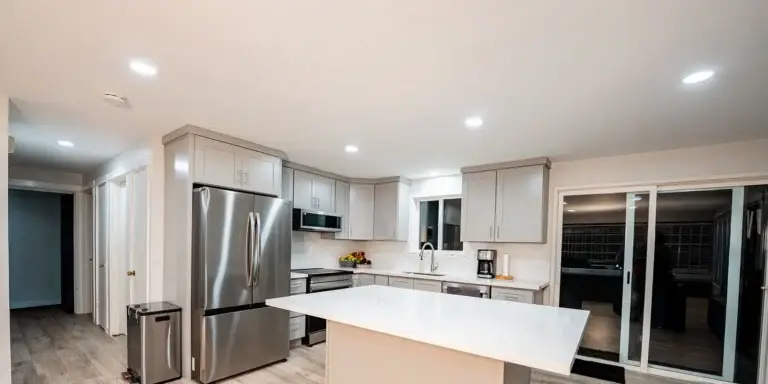
A practical kitchen remodel should consider appliance placement, counter space, pantry storage, island clearance, ventilation, lighting, and flooring transitions. If the kitchen connects to a deck, laundry room, garage, or rear entry, those transitions should also be included in the plan.
A good kitchen should reduce friction. The refrigerator, sink, range, dishwasher, trash area, and prep zones should work together instead of forcing extra steps.
Bathrooms Built For Moisture And Comfort
Bathroom remodeling should start with waterproofing, ventilation, plumbing condition, and safe movement. Tile, vanities, and mirrors matter, but they should come after moisture-control decisions.
A bathroom remodel may include a walk-in shower, better fan, improved lighting, storage drawers, slip-resistant flooring, new vanity, updated plumbing fixtures, and easier cleaning surfaces. In homes where the bathroom is used by children, guests, or aging family members, accessibility details should be planned early.
Flexible Living Areas
Fall City homeowners may also want flexible rooms that support remote work, hobbies, guest space, exercise, or multigenerational living. This can involve wall changes, built-ins, flooring, lighting, insulation, sound control, or improved heating and cooling.
The best flexible spaces are not generic. They are planned around what the household actually needs: quiet work, storage, guest privacy, durable surfaces, or better indoor-outdoor connection.
Remodeling Around Older Home Conditions
Older homes often have character, but they may also need technical updates before cosmetic finishes are installed. This is where remodeling decisions become more important.
Structural Changes Need Careful Review
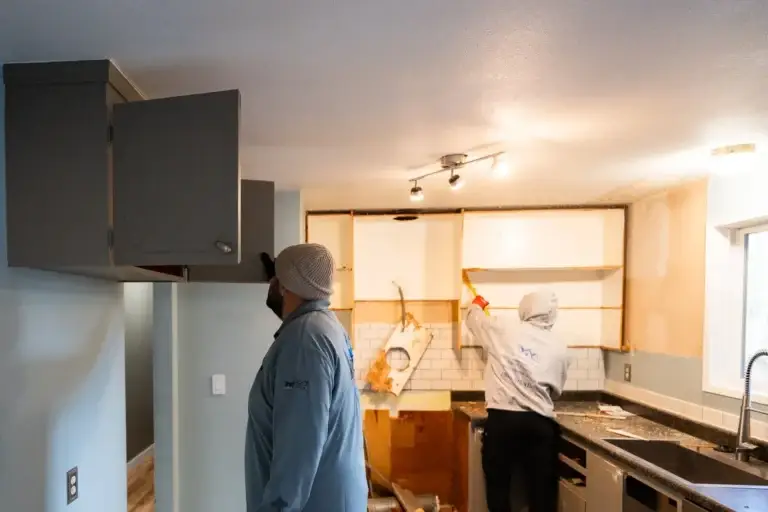
Open layouts are popular, but wall removal should never be treated as simple demolition. Some walls carry loads, hide plumbing stacks, contain electrical runs, or support roof and floor systems. Removing or enlarging openings may require structural review, beams, posts, or permit approval.
A remodel that changes the structure should be evaluated before design is finalized. This helps prevent surprise costs and protects the home from unsafe modifications.
Electrical And Plumbing Updates
Older electrical systems may not support modern appliances, lighting, bathroom fans, heated floors, home offices, or EV-related future planning. Plumbing may also need review if fixtures are moving or if older pipes show signs of corrosion, leaks, or poor pressure.
A remodel is often the best time to update hidden systems because walls, floors, or ceilings may already be open. Waiting until after finishes are installed can make repairs more disruptive.
Kitchen Remodeling Priorities In Fall City Homes
The kitchen often becomes the center of the home. In Fall City, the kitchen may also connect to outdoor work, pets, gardening, family gatherings, and seasonal routines.
Storage That Fits Rural Living
Homeowners may need storage for bulk groceries, outdoor gear, large cookware, pet supplies, cleaning products, and seasonal items. A standard cabinet layout may not be enough.
Useful kitchen storage ideas include:
- Deep drawers for pots, pans, and lids
- Pantry cabinets with pull-out shelves
- Appliance garages for countertop clutter
- Mudroom-adjacent storage near entry points
- Trash, recycling, and compost pull-outs
- Durable cabinet finishes for high-use areas
Storage should be designed around real habits. A kitchen that looks clean on the first day but lacks practical storage will become frustrating quickly.
Ventilation And Lighting Matter
Cooking ventilation helps manage moisture, odors, grease, and indoor air quality. In open layouts, poor ventilation can spread cooking smells into living areas. The range hood, duct route, and fan capacity should be considered before cabinets are finalized.
Lighting should include task lighting, general lighting, and accent lighting. Under-cabinet lights, island pendants, recessed fixtures, and dimmers can make the kitchen easier to use throughout the day.
Bathroom Remodeling Priorities For Wet-Season Homes
Bathrooms carry high moisture loads even in dry climates. In Fall City, seasonal dampness makes ventilation and waterproofing even more important.
Shower Waterproofing Comes First
Tile is not the waterproofing system. A properly built shower needs the right substrate, waterproofing membrane, slope, drain connection, and sealed transitions. If water gets behind the tile, the remodel can fail from the inside.
A shower remodel should also account for niche placement, bench support, glass layout, curb height, and ventilation. Every detail affects how the shower performs after daily use.
Ventilation Should Not Be Ignored
A bathroom fan should move moisture out of the home, not into an attic, crawlspace, or wall cavity. If the existing fan is weak or loud, homeowners may avoid using it. A quiet, properly sized fan with timer or humidity-sensing controls can help protect finishes.
Ventilation is one of the least glamorous parts of remodeling, but it has a direct effect on paint, trim, mirrors, cabinets, and indoor comfort.
Flooring Choices For Fall City Remodeling
Flooring should match the home’s lifestyle and site conditions. In Fall City, wet shoes, pets, outdoor access, mudrooms, and seasonal moisture should influence the decision.
Durable Floors For Entry And Main Living Areas
Hard surfaces such as tile, engineered wood, luxury vinyl, and certain composite materials may be practical depending on the room. The right choice depends on subfloor condition, moisture exposure, maintenance expectations, and how rooms connect.
A mudroom or entry may need more water-resistant flooring than a bedroom. A kitchen floor may need easy cleaning and comfort underfoot. A lower-level room may need a material that handles moisture better than traditional hardwood.
Transitions Should Be Planned
Flooring transitions affect both appearance and safety. If a kitchen remodel changes floor height, nearby rooms may need transition strips or floor leveling. Uneven transitions can become tripping points and make the remodel look unfinished.
A whole-home flooring plan can help avoid mismatched materials and awkward thresholds.
Energy Efficiency And Comfort Upgrades
Remodeling is a good time to improve comfort. This does not always mean a major energy retrofit. Sometimes small upgrades make a noticeable difference.
Insulation And Air Sealing
If walls, ceilings, or floors are opened during remodeling, homeowners may consider insulation and air sealing improvements. Drafts, cold floors, and uneven room temperatures can sometimes be addressed during the project.
Air sealing around openings, crawlspace access points, attic transitions, and exterior walls can improve comfort when done correctly.
Windows, Doors, And Natural Light
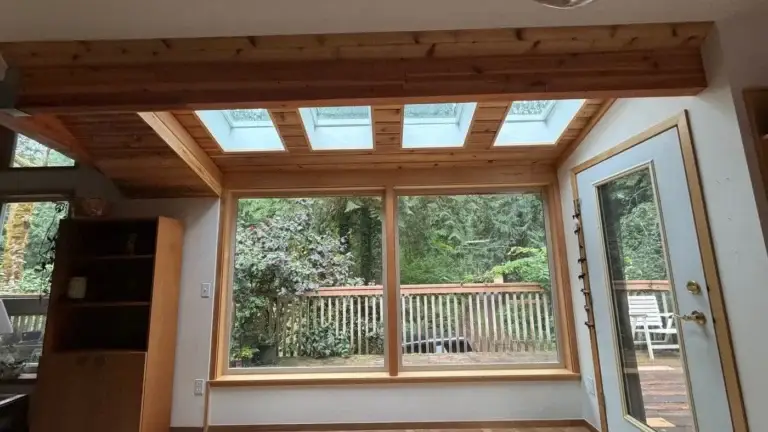
Fall City homes may benefit from better window placement, improved exterior doors, or larger openings that connect the home to outdoor views. However, changing windows or doors may involve structural, energy, and permit considerations.
The design should balance natural light, privacy, weather exposure, and energy performance.
Exterior Connections: Decks, Entries, And Outdoor Living
Fall City homes often have stronger outdoor connections than urban homes. Decks, covered entries, porches, patios, and mudrooms can be central to how the home functions.
Decks And Covered Areas
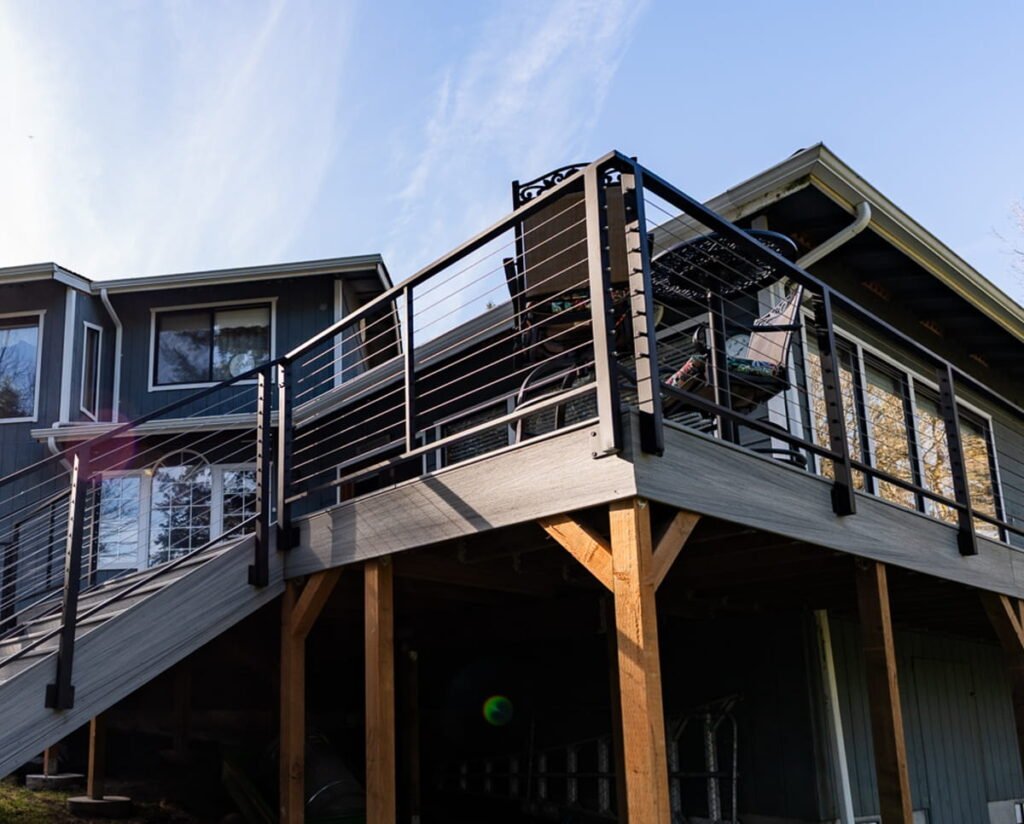
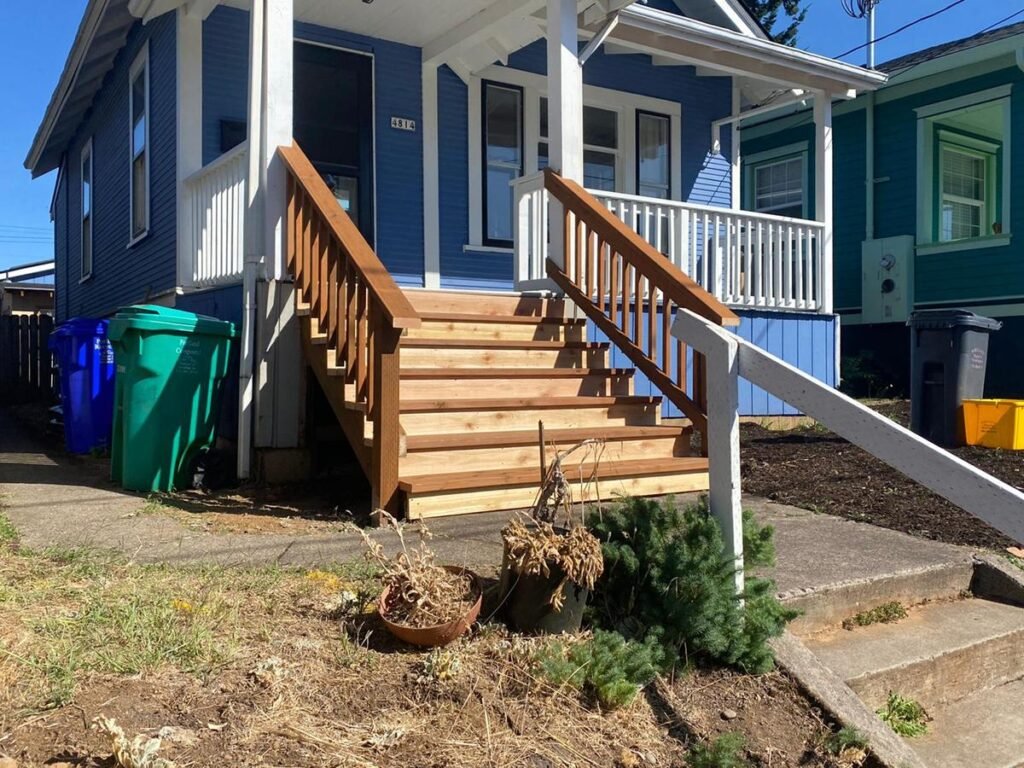
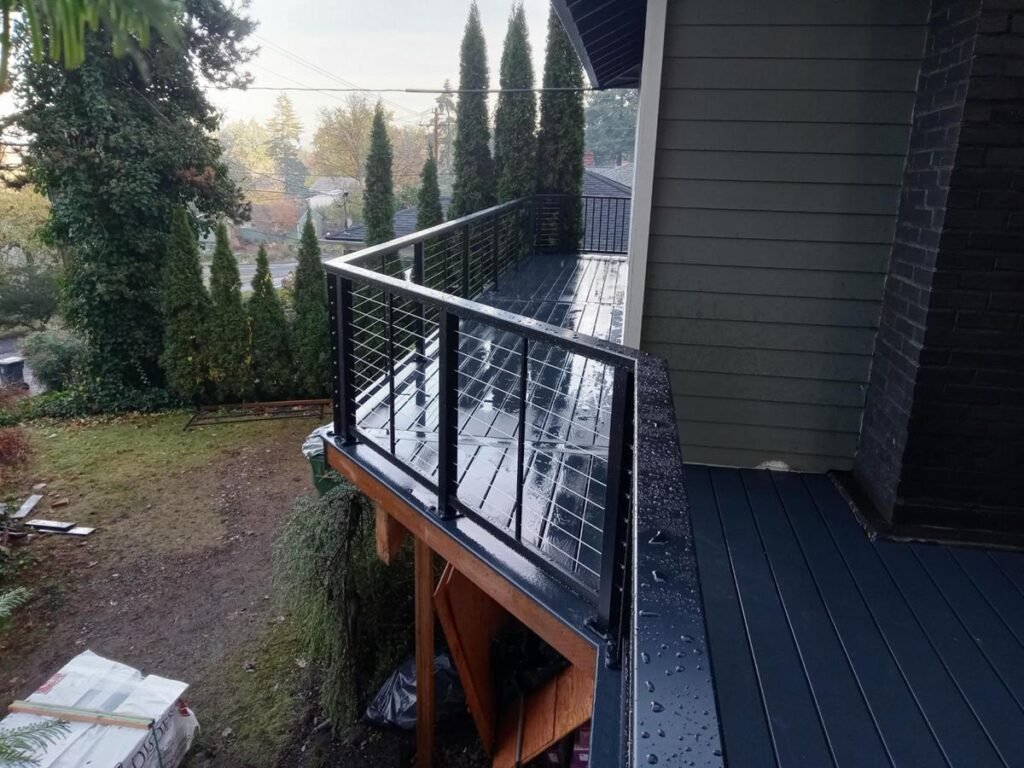
A deck or covered outdoor space can extend living areas, but it should be planned around drainage, structure, railing safety, stairs, and weather exposure. A deck connected to a kitchen or living room should support natural movement rather than feel like an afterthought.
If a deck attaches to the house, flashing and ledger details matter. Poor water management at deck connections can affect siding and framing.
Mudrooms And Entry Zones
Mudrooms can be especially useful in Fall City homes. They provide space for coats, boots, pet supplies, school bags, tools, and outdoor gear. A good mudroom does not need to be large, but it should be durable.
Practical mudroom features may include easy-clean flooring, hooks, benches, cubbies, utility sink access, and moisture-resistant finishes.
Permits And King County Remodeling Review
Fall City properties may fall under King County permitting depending on location and jurisdiction. Homeowners should confirm requirements before beginning work, especially when the project involves structure, plumbing, electrical, additions, or major changes.
Projects That Often Need Review
Permits may be needed when remodeling includes structural changes, additions, moving walls, changing occupancy, altering mechanical systems, updating plumbing, adding electrical circuits, or changing exterior openings.
Cosmetic changes such as paint, some flooring, or minor finish updates may be simpler, but homeowners should not guess when the project affects safety or building systems.
Why Permit Planning Protects The Project
Permit planning can feel slow, but it protects the homeowner. Proper documentation can help during inspections, insurance questions, future resale, and long-term maintenance. It also reduces the chance of having to reopen finished work later.
A clear contractor scope should identify which parts of the project may require permits and who is responsible for handling them.
Home Remodeling Cost Factors In Fall City
Remodeling costs depend on scope, condition, materials, access, permits, and hidden issues. A cosmetic refresh is very different from a structural renovation.
What Usually Changes The Budget
Major cost factors include structural changes, custom cabinetry, plumbing relocation, electrical upgrades, flooring replacement, waterproofing, window or door changes, exterior repairs, drainage issues, and hidden damage.
Older homes may also reveal framing repairs, subfloor damage, outdated wiring, or previous unpermitted work. A contingency budget helps homeowners handle these issues without rushed decisions.
Comparing Estimates By Scope
Homeowners should compare estimates line by line. One proposal may include demolition, permits, repairs, waterproofing, insulation, electrical, plumbing, cleanup, and finish details. Another may only cover visible work.
The cheapest number is not always the best value if important parts are missing.
Planning a remodel?
NW Expert Builders designs and builds kitchens, bathrooms and whole-home remodels across Seattle and the Eastside. Every project starts with a free in-home consultation.
Remodel Planning Table For Fall City Homes
Remodeling Area | Local Planning Concern | Practical Decision |
Kitchen | Storage, ventilation, entry flow | Plan around daily household routines |
Bathroom | Moisture, waterproofing, fan performance | Prioritize hidden systems before finishes |
Flooring | Wet shoes, pets, outdoor access | Choose durable materials by room use |
Lower level | Drainage and humidity | Address moisture before finishes |
Deck or entry | Rain exposure and connection details | Review flashing, stairs, and drainage |
Structural changes | Older framing and permit needs | Confirm load paths before removing walls |
Whole-home flow | Rooms remodeled in phases | Keep materials and transitions consistent |
Remodeling Mistakes That Create Long-Term Problems
Many remodeling issues come from rushing the early decisions.
Choosing Finishes Before Inspection
Finishes should not be selected before the home’s condition is understood. A beautiful floor may fail if moisture is active. A new shower may fail if the waterproofing is poor. New cabinets may be delayed if the walls are not plumb or if the electrical is incomplete.
Ignoring Site Drainage
If exterior drainage sends water toward the home, interior repairs may not last. Gutters, downspouts, grading, crawlspace moisture, and foundation-adjacent soil should be reviewed when lower-level or first-floor moisture appears.
Treating Rooms As Separate Projects
A kitchen remodel may affect the dining room flooring. A bathroom remodel may affect the hallway drywall. A deck replacement may affect siding and doors. Planning rooms separately can create mismatched finishes or repeated disruption.
Practical Details Before Remodeling Begins
Before remodeling begins, homeowners should confirm the project scope, property conditions, moisture concerns, permit needs, material choices, and daily access requirements. The plan should also indicate whether the remodel is limited to one room or part of a larger home improvement strategy.
Clear planning helps homeowners avoid change orders, compare proposals accurately, and protect the home from hidden issues. For Fall City homeowners preparing a kitchen, bathroom, deck, entry, or whole-home renovation, contact NW Expert Builders to discuss the project details, local property conditions, and the best way to phase the work.
FAQs
The best first project is usually the area affecting daily function, safety, or moisture control. Kitchens, bathrooms, entries, lower-level rooms, and damaged flooring often come first. Homeowners should also consider whether one project affects another, such as flooring that continues into multiple rooms or plumbing that connects nearby spaces.
Permit needs depend on the property location and project scope. Structural changes, additions, plumbing work, electrical work, mechanical systems, and major alterations may require permits. Cosmetic updates may be simpler. Homeowners should confirm jurisdiction and requirements before starting work so the project does not create problems later.
Moisture can affect drywall, flooring, cabinets, paint, trim, insulation, and framing. In wet-season areas, homeowners should address drainage, ventilation, waterproofing, and crawlspace conditions before installing new finishes. Remodeling over active moisture can lead to early failure and more expensive repairs later.
It depends on budget, timeline, and home condition. One-room remodeling works well when the rest of the home is stable. Several rooms should be planned together when flooring, plumbing, paint, lighting, or layout changes connect across spaces. A phased plan can help keep the home cohesive.
Practical upgrades usually add the strongest long-term value. These include durable kitchens, properly waterproofed bathrooms, improved ventilation, better flooring, safer entries, useful storage, energy-efficiency improvements, and repairs that correct moisture or structural problems before finishes are installed.
Homeowners should compare scope, materials, prep work, permits, repairs, cleanup, and exclusions. A lower estimate may omit waterproofing, electrical upgrades, a structural review, or finish details. A clear line-by-line comparison helps homeowners understand value rather than choosing solely by price.