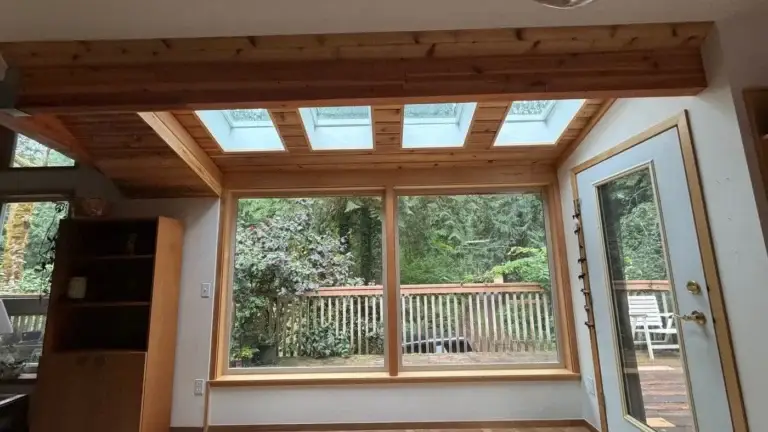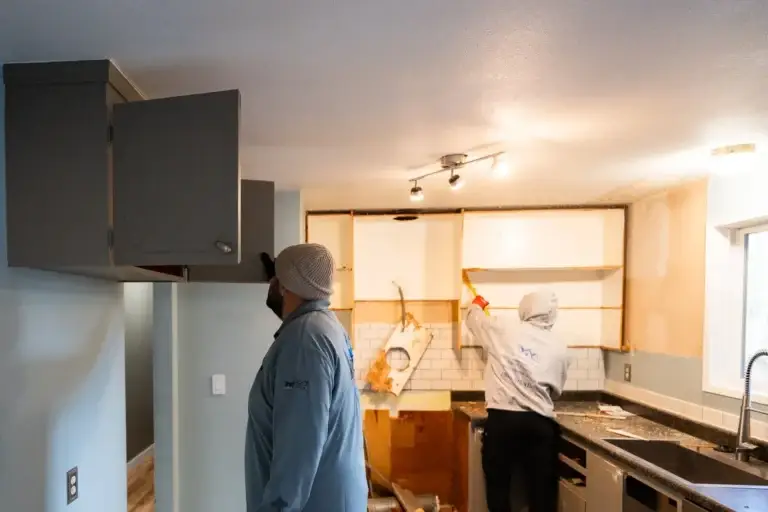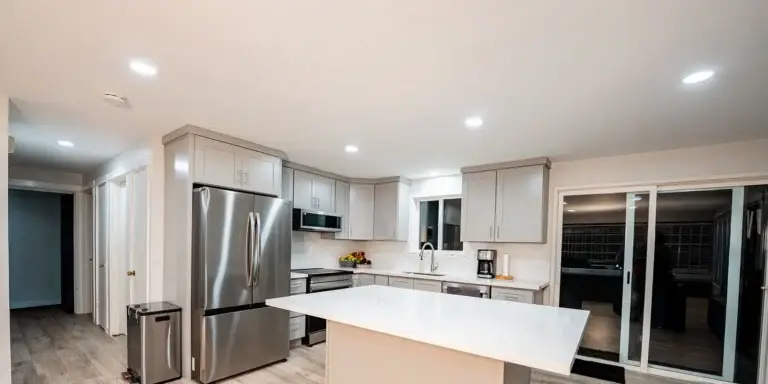
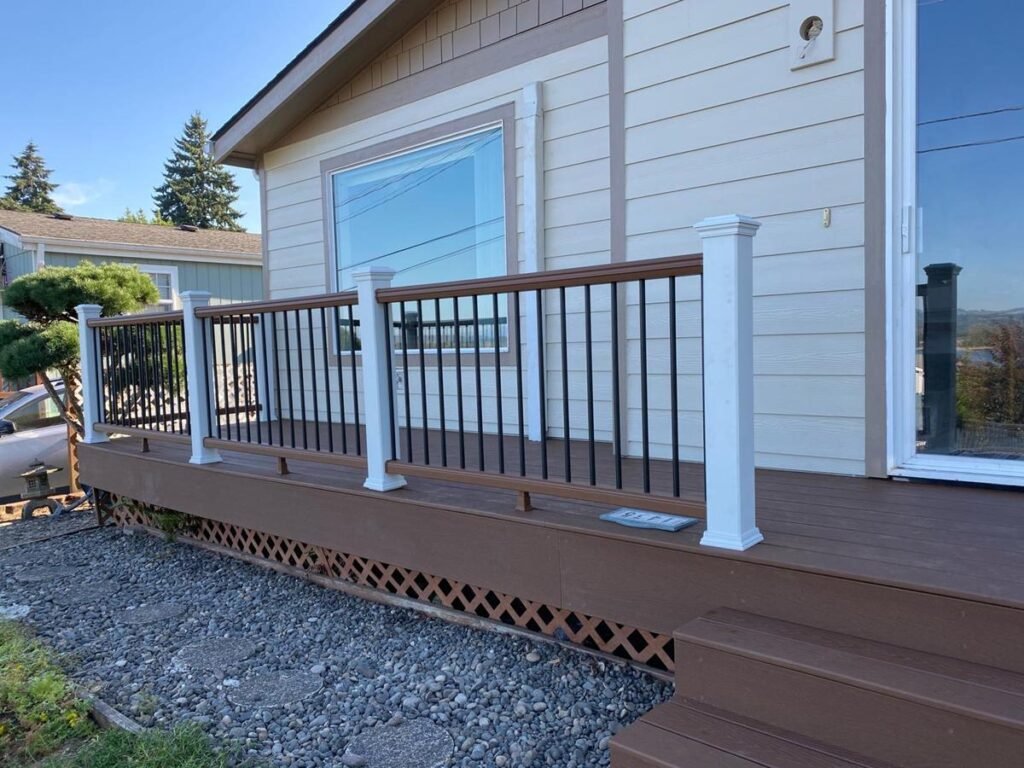
Bonney Lake homeowners are remodeling with a different mindset in 2026. The goal is not only to refresh a kitchen, repaint a hallway, or update an old bathroom. Many households want homes that handle wet weather, accommodate larger family routines, support remote work, meet storage needs, provide outdoor access, and ensure long-term comfort. A well-planned Home Remodeling Bonney Lake project should look at how the property functions from the entry door to the kitchen, bathroom, garage, deck, and main living areas.
This matters because Bonney Lake continues to grow while many existing homes still need practical updates. Some properties need better storage and flooring for active families. Others need bathroom ventilation, kitchen workflow improvements, safer entries, or exterior transitions that withstand Pacific Northwest rain. Remodeling should not treat each room like a separate decoration project. The strongest results come from understanding how the home works as one connected living system.
Local Growth Is Changing What Homeowners Expect From Remodeling
Bonney Lake’s long-range planning direction points toward growth, housing needs, transportation demands, environmental stewardship, and quality of life. For homeowners, that broader local context affects remodeling decisions in a practical way. A home that worked well ten years ago may now feel tight, outdated, dark, poorly organized, or difficult to maintain.
Remodeling Is Becoming More Function-Driven
Homeowners are asking for spaces that solve daily problems. A kitchen needs better storage, not just new cabinet doors. A bathroom needs moisture control, not only new tile. A living room needs better lighting and outlets, not only fresh paint. Entry areas need durable surfaces because wet shoes, backpacks, pets, and sports gear all pass through the same spaces.
Function-driven remodeling starts with questions such as how the family enters the home, where clutter collects, which rooms feel cold or damp, and which spaces no longer support everyday routines. These answers help shape the project before materials are chosen.
Growing Homes Need Flexible Spaces
Many Bonney Lake households want rooms that can adapt. A spare bedroom may become a home office. A bonus room may need built-ins. A garage entry may become a mudroom zone. A kitchen island may need to support cooking, homework, and casual meals.
Flexible remodeling does not mean making every room generic. It means creating spaces that can shift as the household changes.
First Look: What A Remodel Should Solve
Before a project moves forward, homeowners should identify the actual pain points. This makes the scope clearer and helps avoid spending money on upgrades that do not fix the problem.
Homeowner Concern
| What It Usually Means
| Remodel Direction
|
Clutter near the entry
| Storage is missing or poorly placed
| Mudroom, cubbies, hooks, benches, durable flooring
|
Dark kitchen or living room
| Lighting layout is outdated
| Layered lighting, brighter finishes, window/door review
|
Bathroom feels damp
| Ventilation or waterproofing may be weak
| Fan upgrade, waterproofing, moisture-resistant finishes
|
Floors wear quickly
| Material does not match traffic
| Durable flooring by room use
|
Kitchen feels crowded
| Layout or storage is not working
| Better zones, pantry storage, island clearance
|
Kitchen Updates That Support Real Bonney Lake Routines
Kitchen remodeling often has the biggest effect on daily comfort because the kitchen supports food prep, family schedules, storage, and gatherings. In Bonney Lake homes, kitchens may also connect to decks, garages, mudrooms, or open living spaces.
Storage Should Match Household Habits
A kitchen that lacks storage quickly becomes frustrating. Homeowners may need room for bulk groceries, cookware, small appliances, lunch supplies, pet food, cleaning items, and recycling. The remodel should identify what needs to be stored before cabinet layouts are finalized.
Useful kitchen upgrades may include deep drawers, pull-out pantry shelves, tray dividers, trash and recycling pull-outs, appliance garages, and larger pantry cabinets. These features reduce countertop clutter and make the kitchen easier to maintain.
Layout Should Reduce Extra Steps
The sink, range, refrigerator, dishwasher, trash area, and prep counters should be placed so daily work feels natural. If the dishwasher blocks a main walkway or the refrigerator sits too far from prep space, the kitchen may still feel awkward after new finishes are installed.
A good remodel improves movement. It should make cooking, cleanup, grocery unloading, and family use easier.
Bathroom Remodeling That Handles Moisture And Long-Term Use
Bathrooms are small rooms with high technical demands. Water, steam, plumbing, ventilation, electrical fixtures, and finishes all work in close quarters.
Waterproofing Is The Hidden Priority
A bathroom can look clean and modern on the surface while hiding weak waterproofing behind the shower. Tile and grout are not the full waterproofing system. A shower needs proper backing, membrane protection, drain slope, sealed transitions, and careful detailing around niches, benches, corners, and curbs.
If those details are missed, water can reach the walls or subfloor. In a wet regional climate, that can lead to early failure, stains, loose tile, odors, or structural concerns.
Ventilation Protects Paint, Trim, And Cabinets
A bathroom fan should remove moist air effectively. If it is too weak, too loud, or poorly ducted, humidity can remain in the room. That affects paint, mirrors, drywall, trim, cabinetry, and caulk lines.
A remodel should review fan capacity, duct routing, switch controls, and whether a timer or humidity-sensing fan would improve daily use.
Entries, Mudrooms, And Garage Transitions Deserve More Attention
Some of the most useful remodels happen in spaces that are not always the most glamorous. Entry zones, mudrooms, laundry rooms, and garage transitions can change how the whole home feels.
Bonney Lake Homes Often Need Durable Arrival Zones
Wet shoes, coats, backpacks, pets, groceries, sports gear, and tools often enter through the same door. If that area has no storage or poor flooring, clutter spreads into the rest of the home.
A practical entry zone may include built-in benches, cubbies, hooks, closed storage, washable walls, durable flooring, and better lighting. The design should make it easy to come inside without tracking moisture or mess through the living areas.
Laundry Rooms Can Do More Than Hold Machines
Laundry rooms can support folding, storage, cleaning supplies, pet care, utility sinks, and household overflow. If the laundry room is near a garage or entry, it may also help control outdoor mess.
Better cabinets, counters, hanging space, ventilation, and waterproof flooring can make this room much more useful.
Flooring Choices Should Match Weather, Pets, And Traffic
Flooring has to handle the way the home is used. In Bonney Lake, this often means wet weather, kids, pets, outdoor activity, garage access, and connected living areas.
Match Flooring To Each Room
Bedrooms may not need the same flooring as kitchens, bathrooms, entries, or laundry rooms. High-traffic and wet-prone areas need materials that can handle cleaning and moisture. Tile, durable luxury vinyl, engineered products, or other water-resistant surfaces may be appropriate depending on the room and subfloor.
The best flooring choice should consider comfort, maintenance, slip resistance, durability, and how the surface connects to nearby rooms.
Transitions Should Look Intentional
Floor transitions can make or break the final look. If a remodel changes floor height between rooms, the transition should be handled safely and cleanly. Awkward thresholds can create trip points and make the remodel feel unfinished.
A consistent flooring plan across connected spaces can make the home feel larger and more cohesive.
Exterior Connections: Decks, Covered Entries, And Outdoor Flow
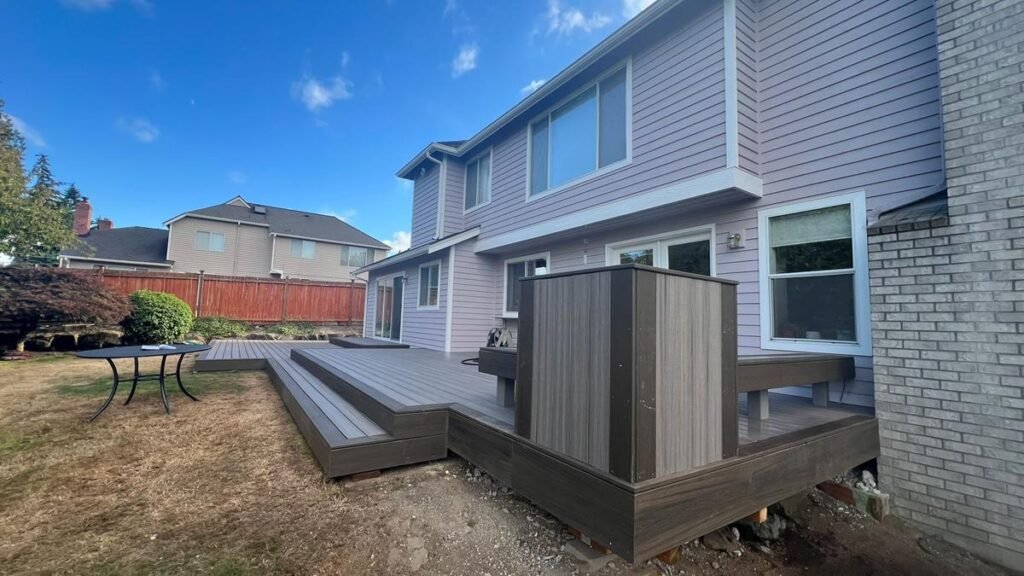
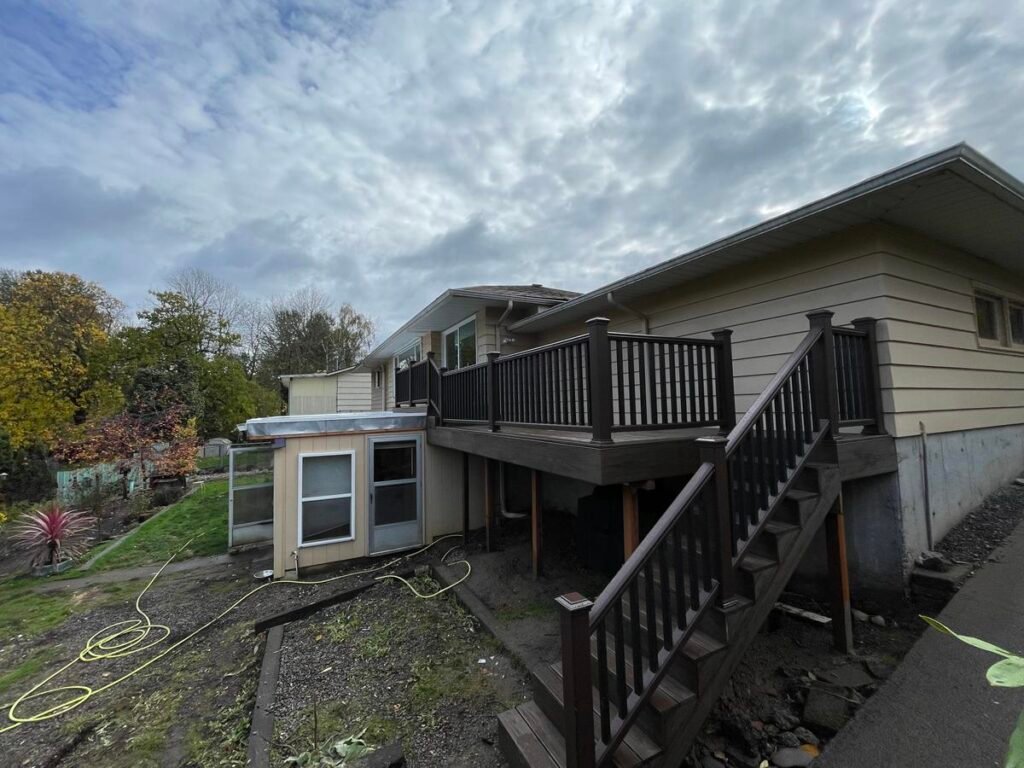
Bonney Lake homes often benefit from stronger indoor-outdoor connections. Decks, covered patios, porches, and exterior doors should be planned for weather, drainage, safety, and everyday use.
Covered Entries Improve Daily Comfort
A covered entry makes a practical difference during rain. It gives people a place to unlock the door, carry groceries, manage pets, or remove wet shoes without standing directly in the weather. It can also protect doors, trim, thresholds, and packages from repeated moisture exposure.
This type of upgrade may seem small, but it can improve the way the home functions every day.
Decks Need Structure And Water Management
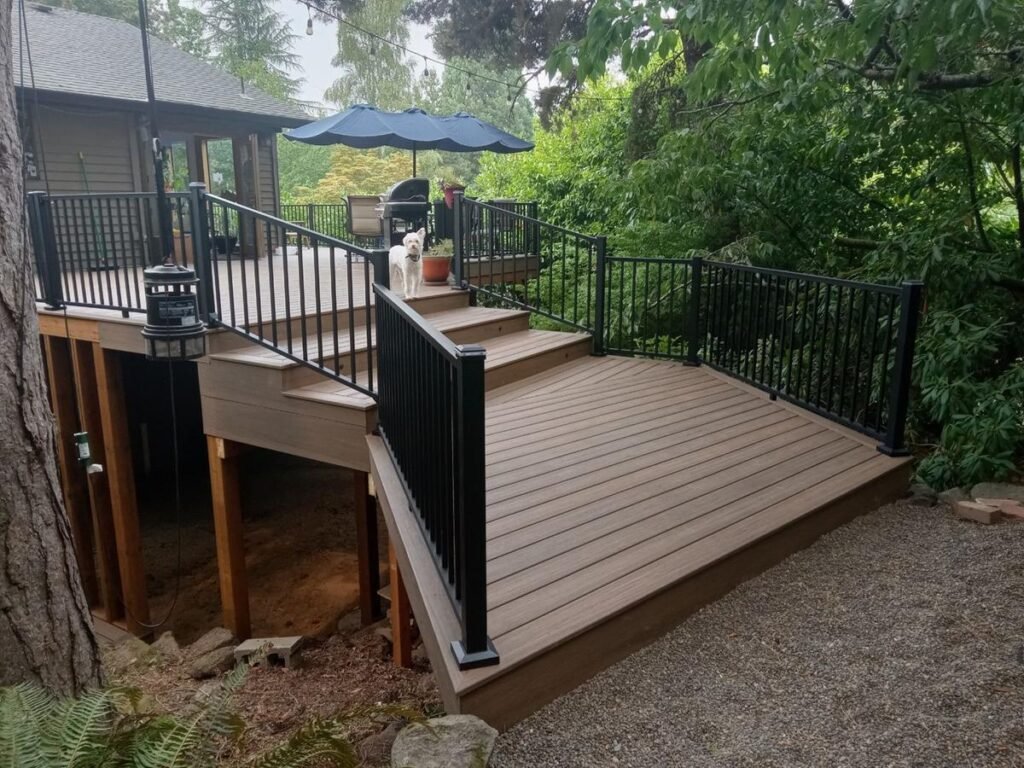
A deck should not be treated as only an outdoor surface. It needs proper framing, flashing, railing, stairs, drainage, and material selection. If the deck attaches to the home, the ledger area must be protected from water intrusion.
Wood, composite, and other decking materials all have different maintenance needs. The best choice depends on budget, appearance, exposure, and how much upkeep the homeowner wants.
Planning a remodel?
NW Expert Builders designs and builds kitchens, bathrooms and whole-home remodels across Seattle and the Eastside. Every project starts with a free in-home consultation.
Mid-Project Decision Check: Budget, Scope, And Sequence
Many remodeling problems come from unclear scope. A homeowner may think the project includes drywall repair, permits, flooring transitions, and cleanup, while the estimate may only include surface work. Clear language prevents confusion.
Decision Area
| Why It Matters
| What To Confirm
|
Scope
| Prevents missing work
| Demolition, repairs, materials, cleanup, exclusions
|
Permits
| Protects compliance
| Who handles applications and inspections
|
Materials
| Controls timeline
| Product availability, lead times, substitutions
|
Sequence
| Reduces disruption
| Which rooms happen first and how access works
|
Contingency
| Handles surprises
| Moisture damage, framing repairs, old systems
|
Permits And Local Review In Bonney Lake
Some remodeling work is simple. Other work may require building review, especially when it affects structure, plumbing, mechanical systems, electrical work, additions, decks, accessory structures, or major layout changes.
Remodels And Additions Need Clear Documentation
Bonney Lake provides residential submittal requirements for additions and remodels. Homeowners should confirm which documents are needed before work begins. A project that includes structural changes, plumbing, mechanical components, or electrical updates may need more review than a cosmetic refresh.
Permit planning may feel like a delay, but it protects the project. It helps with safety, inspections, resale documentation, and future work.
Review Timelines Should Be Built Into The Schedule
Permit review takes time. If a project depends on approval before construction, homeowners should not schedule demolition too aggressively. Material lead times, contractor availability, review comments, and inspections can all affect the timeline.
A realistic schedule is better than a rushed schedule that creates stoppages.
Remodeling Older Or Previously Updated Homes
Homes that have been remodeled before can hide surprises. A previous owner may have changed walls, patched plumbing, added circuits, or covered old damage. That does not mean the house is a bad investment. It means the remodel should begin with careful review.
Hidden Conditions Can Affect The Plan
Common hidden issues include uneven floors, outdated wiring, old plumbing, water stains, soft subfloors, insulation gaps, poor ventilation, and framing changes from earlier work. These issues may not be visible until demolition begins.
A contingency budget gives homeowners room to correct problems properly instead of covering them again.
Structural Changes Need Verification
Removing a wall or enlarging an opening should never be based on guesswork. Some walls carry loads. Others contain plumbing, HVAC, or electrical systems. If a wall is structural, the remodel may need beams, posts, engineering, or permit review.
Open layouts can work well, but they should not sacrifice safety or storage.
Materials That Make Sense For Bonney Lake Homes
The best materials are not always the most expensive. They are the materials that match the room’s use, moisture exposure, maintenance expectations, and design goals.
Kitchens And Baths Need Durable Finishes
Cabinets, counters, tile, paint, and flooring should be selected for frequent use. Bathrooms need moisture-resistant finishes and proper waterproofing. Kitchens need cleanable surfaces, strong cabinet hardware, and lighting that supports work areas.
High-Traffic Areas Need Practical Surfaces
Hallways, entries, stairs, and living areas receive daily wear. Paint should be washable where hands touch walls. Flooring should handle traffic. Trim should be durable enough for pets, children, and furniture movement.
A remodel should still look good, but beauty should not come at the cost of everyday function.
Energy And Comfort Improvements During Remodeling
A remodel is a good time to correct comfort issues. If walls, ceilings, or floors are opened, homeowners may consider insulation, air sealing, lighting updates, ventilation improvements, or more efficient windows and doors.
Comfort Problems Often Have Hidden Causes
A cold room may have insulation gaps. A damp bathroom may need better ventilation. A dark kitchen may need layered lighting. A noisy living space may need better door, flooring, or wall details. A remodel can address these problems when the work is planned correctly.
Lighting Changes The Way A Home Feels
Many older homes rely on a limited number of ceiling fixtures. Layered lighting can make kitchens, bathrooms, hallways, and living spaces more usable. Task lighting, dimmers, under-cabinet lighting, and better fixture placement can improve daily comfort without changing the entire layout.
Before Work Starts On A Bonney Lake Remodel
Before work begins, homeowners should confirm the project scope, permit needs, material selections, budget range, expected schedule, access plan, and whether hidden conditions may affect the work. It is also helpful to decide whether the project should proceed in a single phase or be divided into practical stages.
Clear preparation gives homeowners a better way to compare estimates and reduces confusion once construction begins. For kitchen updates, bathroom remodeling, entry improvements, decks, flooring, or whole-home renovations in Bonney Lake, contact NW Expert Builders to review the home’s condition, project goals, and the best sequence for the work.
FAQs
The best first project is usually the room or system affecting daily function, safety, moisture, or comfort the most. Kitchens, bathrooms, entries, laundry areas, and damaged flooring often come first. Homeowners should also consider whether one project affects another, such as flooring, electrical work, or plumbing that continues into nearby spaces.
Permit needs depend on project scope. Structural changes, additions, decks, plumbing, mechanical systems, electrical work, and major remodels may require review. Cosmetic work may be simpler. Homeowners should confirm requirements with the city before starting so the project does not create inspection or resale issues later.
Review timelines vary by application type and project complexity. Remodels and additions may need several weeks for review, especially if corrections or resubmittals are required. Homeowners should build permit timing into the project schedule before ordering materials or starting demolition.
Durable, moisture-aware materials usually perform best. Kitchens and bathrooms need cleanable finishes, proper waterproofing, and ventilation. Entries, mudrooms, and laundry rooms benefit from water-resistant flooring and washable surfaces. The best material depends on traffic, pets, moisture exposure, maintenance expectations, and room use.
It depends on the home’s condition, budget, and timeline. One-room remodeling works well when the rest of the home is stable. Whole-home or phased remodeling may be better when flooring, lighting, paint, plumbing, or layout changes connect across several rooms.
Homeowners should compare scope, materials, permit handling, prep work, repairs, cleanup, exclusions, and warranty details. A lower estimate may not include demolition, hidden repairs, waterproofing, electrical updates, or finish transitions. A clear line-by-line comparison helps homeowners understand value, not only price.