Auburn Remodeling Permit Landscape Overview 2026
Local Housing Conditions and Site Realities
Trends Driving Search Intent in 2026
- Whether a wall can be removed safely.
- Whether a bathroom can be expanded into an adjacent closet.
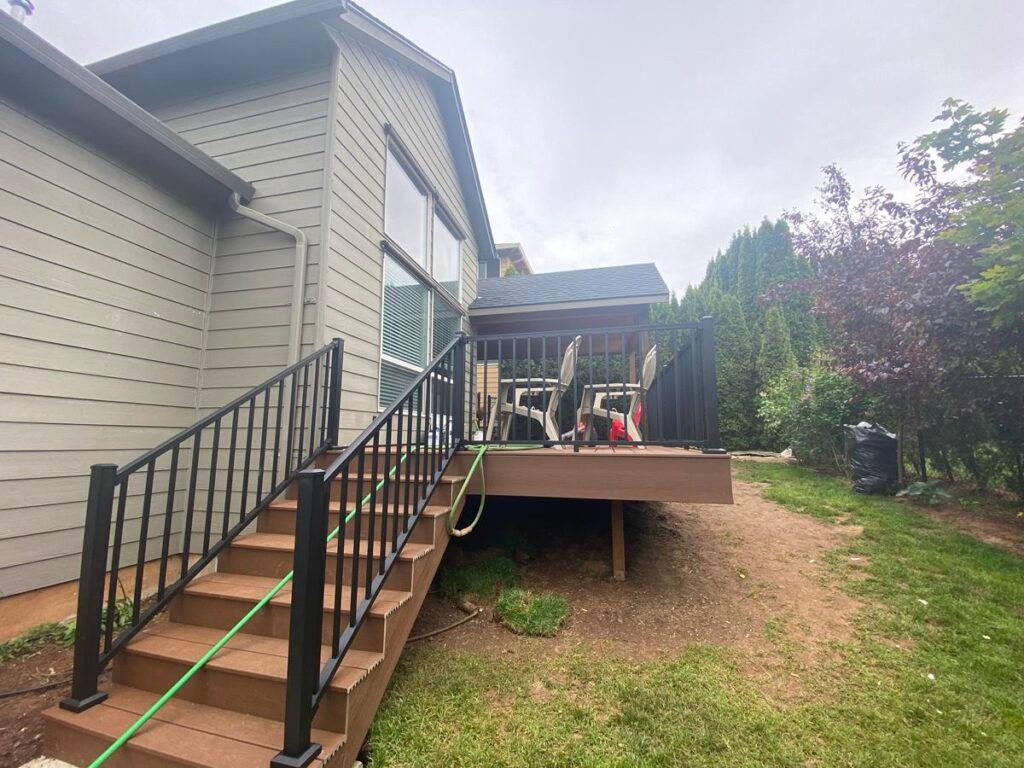
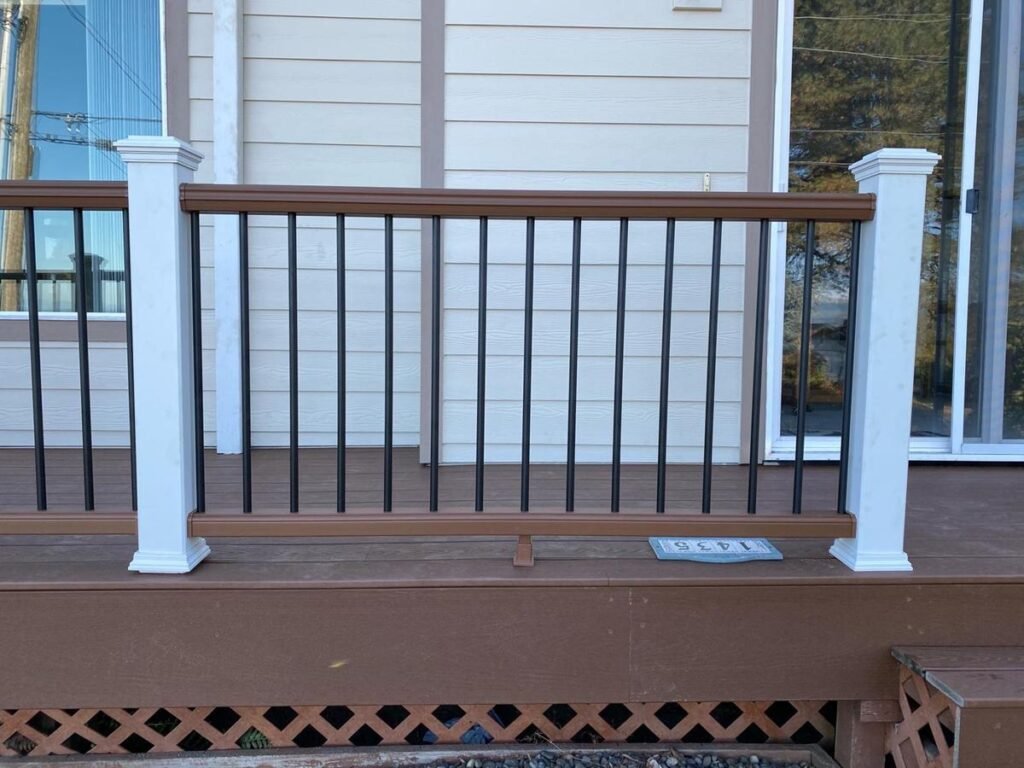
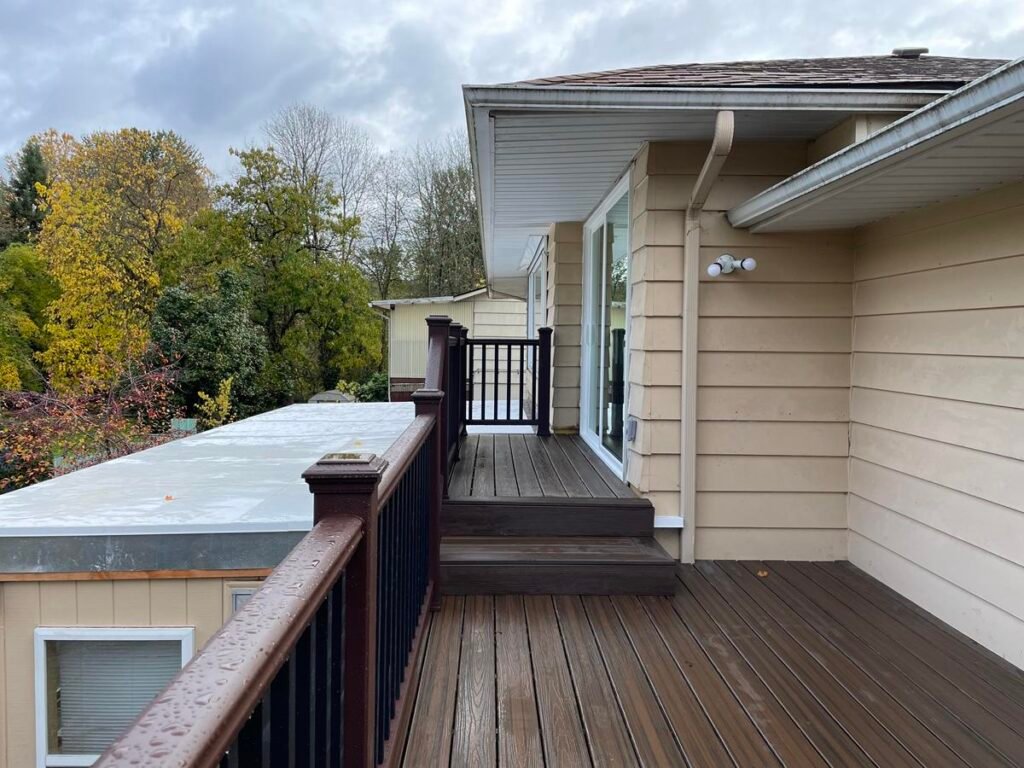
- Whether an aging deck needs new concrete footings.
- Whether a full home remodel auburn can be phased to allow the family to stay in the home.
Shifting from Cosmetics to Livability
When Permits Are Required For Residential Renovation Projects
Planning a remodel?
Understanding “Cosmetic” vs. “Regulated” Work
Electrical and Plumbing Permit Triggers
Structural Integrity and Safety
Common Projects That Trigger City Approval And Inspections
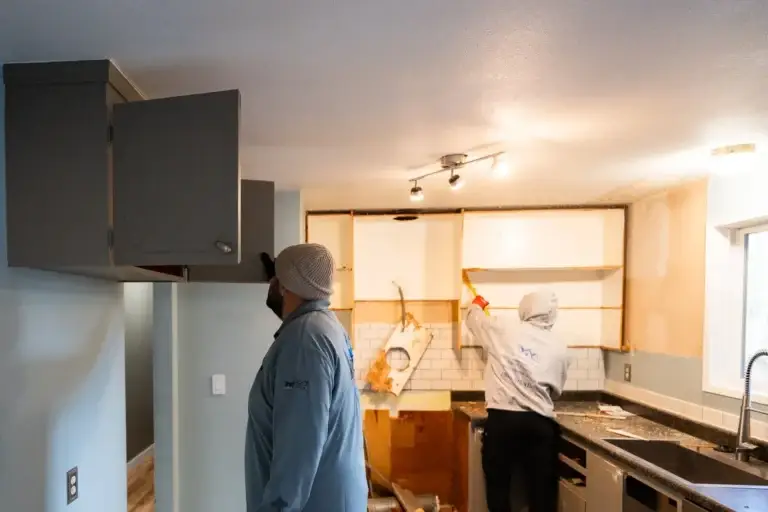
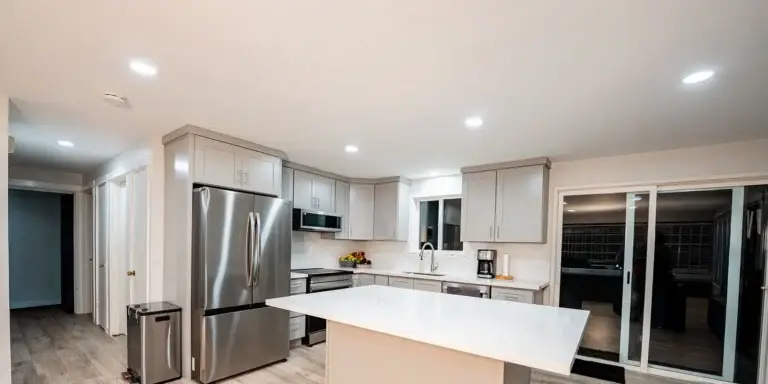
Kitchen and Bathroom Systems
Remodeling Impact Matrix 2026
Project Type
| Permit Trigger
| Review Time
| Budget Risk
|
Kitchen Remodel
| Wall changes, new circuits, plumbing relocation, hood ventilation
| 1-3 weeks
| Medium to high if layout changes late
|
Bathroom Remodel
| Plumbing moves, shower rebuilds, exhaust routing, electrical changes
| 1-3 weeks
| High if waterproofing or ventilation is missed
|
Deck Rebuild
| New framing, ledger work, stairs, railing, footings
| 4-10+ weeks
| High when rot or footing issues appear
|
Addition or ADU
| Structural, zoning, utilities, energy review, inspections
| 4-10+ weeks
| Very high without full preconstruction planning
|
Cost Breakdown And Fee Changes Affecting Remodel Budgets 2026
Hard vs. Administrative Costs
- Hard Costs: Labor, framing, kitchen remodeling auburn materials (cabinets, countertops), bathroom remodeling auburn fixtures, tile, and flooring.
- Administrative Costs: Design drawings, engineering stamps, permit fees, correction responses, and inspection coordination.
Budget Stability and Contingency
Step-by-Step Application Process Through City Review
The 2026 Application Workflow
- Scope Definition: Identify all permit triggers (structural, trade-specific, or zoning).
- Plan Preparation: Create floor layouts, mechanical notes, and energy-code compliance sheets. Engineering may be required for foundations or hillsides.
- Electronic Submission: Applications are submitted through MyBuildingPermit.com. Auburn has transitioned to a fully digital system for faster routing.
- Review and Corrections: The city review team checks the project against the 2021/2026 Washington State Building and Energy Codes.
- Issuance and Milestones: Work begins once the permit is “issued.” Inspections are scheduled at required milestones—usually “Rough-in” (before walls are closed) and “Final.”
Timeline Expectations And Delays Homeowners Should Plan For
Predictable Delay Factors
- Incomplete Applications: Missing energy code worksheets or vague structural notes.
- Design Changes: Adjusting the layout after the permit has been submitted.
- Weather Impacts: Rain affects decking, siding, and roofing tie-ins, common in the PNW.
- Inspection Gaps: High demand for city inspectors can lead to 2-4 day waits for a site visit.
Mistakes That Lead To Permit Rejections Or Project Holdups
- Treating a Remodel as Design-Only: Design is about beauty; permits are about life safety and ventilation.
- Underestimating Hidden Conditions: Older houses often have unvented bathrooms or water-damaged sheathing. Once discovered, these may require revised approval.
- Poor Trade Coordination: If the plumber moves a pipe into a space designated for a kitchen vent, the inspection will fail. This is why a lead supervisor is essential.
- Assuming Regional Uniformity: Do not assume that rules in a neighboring city apply here. Auburn home renovation permits have specific local requirements regarding site drainage and L&I electrical inspections.
How Professional Contractors Streamline Permits And Project Execution
FAQ – People Also Ask
Not always. Painting, simple flooring replacement, and some cabinet updates may not need a permit. Work involving structure, electrical systems, plumbing relocation, mechanical systems, decks, additions, or changes to living space usually requires review.
Minor projects in Auburn may move in a few weeks, while structural remodels or full-home projects can take longer because drawings, engineering, corrections, and inspections must be coordinated.
Projects that remove walls, relocate plumbing, upgrade electrical panels, rebuild decks, add rooms, or uncover hidden water damage usually create the most delay risk because several trades and inspections are involved.
Yes. A qualified contractor can help define scope, prepare documentation, coordinate trades, schedule inspections, and respond to corrections. Homeowners should still review the process and keep copies of approvals.
Older homes often contain framing, wiring, plumbing, ventilation, or moisture issues that are not visible before demolition. Extra planning helps avoid rework after walls or floors are opened.