Issaquah’s 2026 Wildfire-Urban Interface (WUI) Code Impacts
The Surge in Year-Round Indoor-Outdoor Living Spaces
2026 Outdoor Design Features
- Bioclimatic Pergolas: These motorized louvered systems can tilt to allow sun, seal shut for rain, or open fully for ventilation, often integrated with smart sensors that react to local Issaquah weather patterns.
- Open-Air Culinary Suites: Move over simple grills; 2026 outdoor kitchens feature weatherproof porcelain countertops, built-in pizza ovens, and professional-grade ventilation systems designed for fire safety.
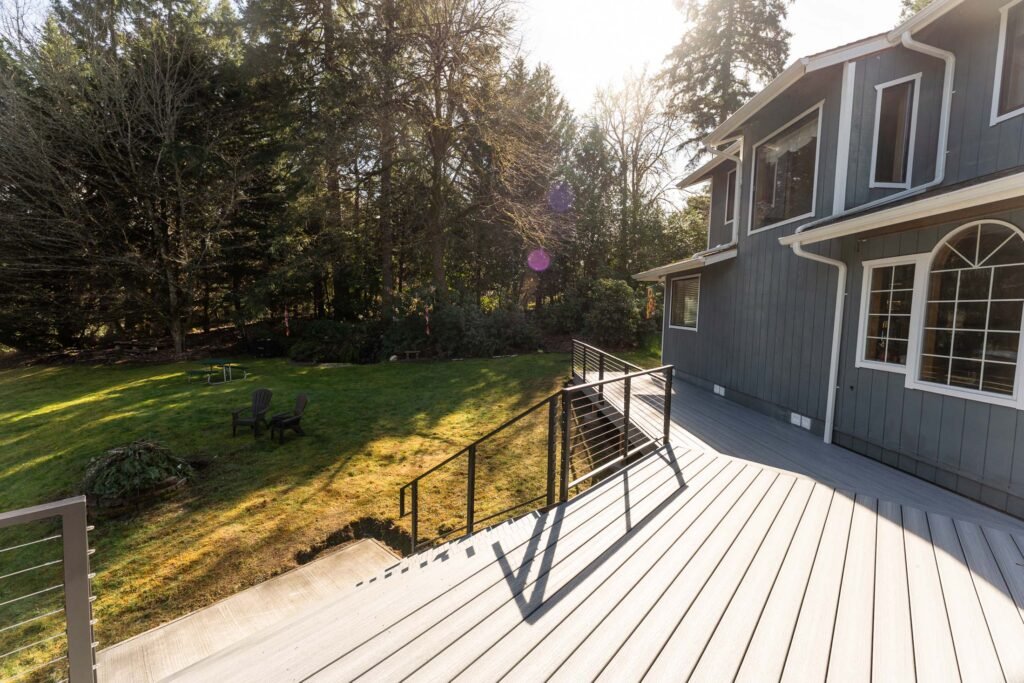
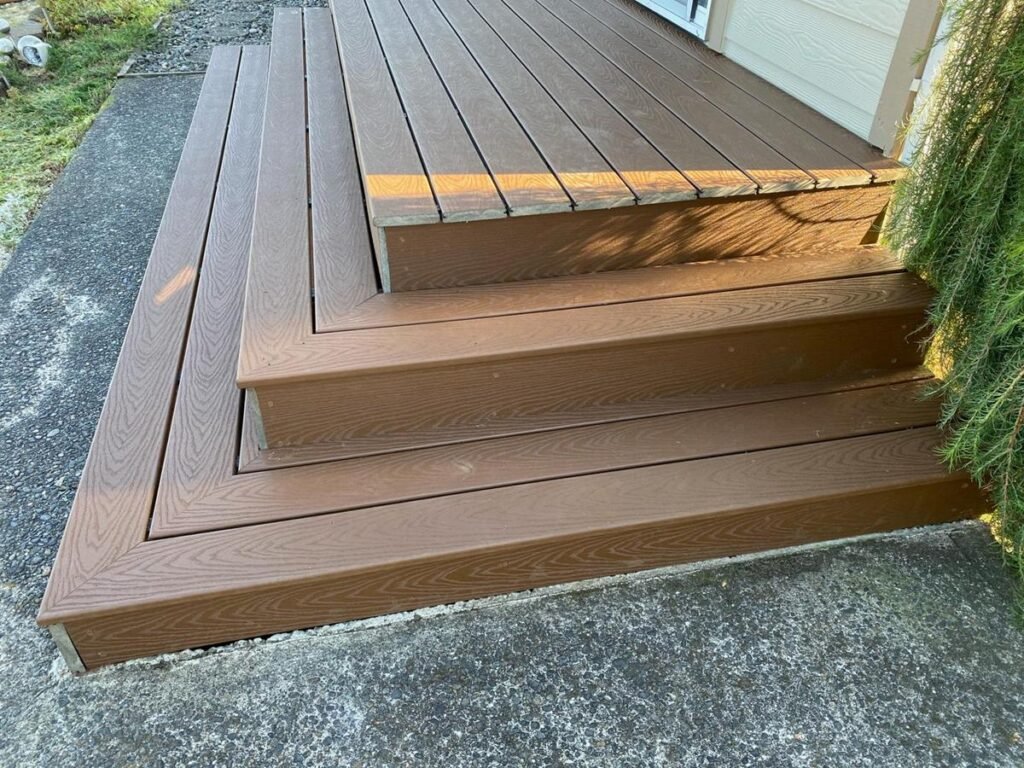
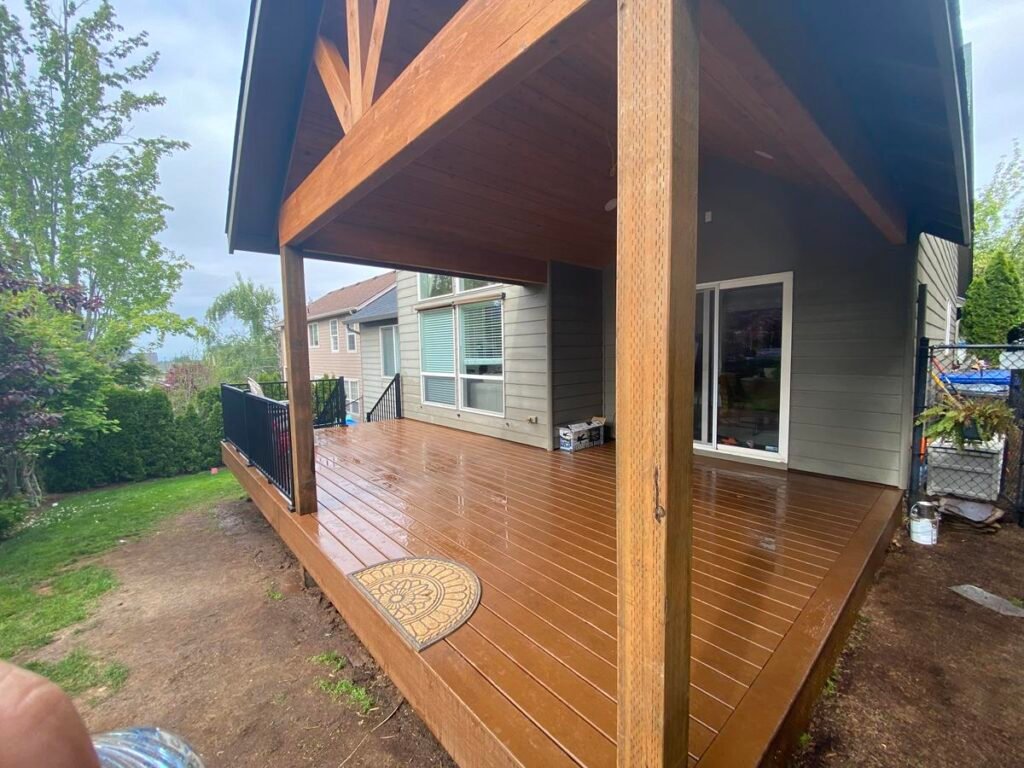
- Fire-Hardened Decks: Following WUI standards, new decks utilize steel sub-framing and ignition-resistant composite or stone surfaces, ensuring the outdoor space doesn’t become a fuel source for wildfires.
- Phantom Screens: Large-scale motorized screens allow homeowners to keep massive sliding glass doors open for airflow while keeping out insects and providing a thermal buffer during colder evenings.
When Permits Are Required For Residential Renovation Projects
- Structural Modifications: Removing load-bearing walls for “open concept” designs requires structural engineering and framing inspections.
- Mechanical & Electrical Upgrades: Switching to high-efficiency heat pumps or installing 200-amp panels for EV chargers triggers mechanical and electrical permits.
- Exterior Envelopes: Replacing siding or windows requires a permit to ensure compliance with the 2026 WSEC (Washington State Energy Code) and WUI fire standards.
- Additions & ADUs: Any increase in the home’s footprint or the creation of a separate living unit requires comprehensive land use and building reviews.
Planning a remodel?
Common Projects That Trigger City Approval and Inspections
Kitchen & Great Room Modernization
Bathroom “Wellness” Suites
Accessory Dwelling Units (ADUs)
Cost Breakdown: Budgeting for Fire-Hardened Remodels in Issaquah
2026 Issaquah Remodeling Budget Factors
Project Component
| Hard Costs (Labor/Materials)
| Admin (Permit/Design)
|
Kitchen Modernization
| $38,000 – $85,000+
| $1,500 – $3,500
|
Primary Bath Retreat
| $20,000 – $45,000
| $1,000 – $2,200
|
Full Home Remodel
| $135,000 – $350,000+
| $5,000 – $12,000
|
Outdoor Living Suite
| $30,000 – $75,000
| $1,500 – $3,000
|
The “Hillside” Contingency
Step-by-Step Application Process Through Issaquah Permitting Portal
- Preparation: You must provide a site plan, architectural drawings, and energy worksheets. For projects in WUI zones, a “Wildfire Mitigation Plan” may be required.
- Digital Submittal: Upload flattened PDFs that meet the city’s strict naming conventions.
- Plan Review: Staff from Building, Planning, and Fire departments review the plans. In 2026, expect a specific focus on your “Energy Credit” selection.
- Fee Payment: Permits are calculated based on valuation. A $100,000 remodel might incur approximately $1,381 for the building permit fee plus plan review and trade fees.
- Issuance & Inspections: Once issued, you must request inspections at key milestones: foundation, rough-in, insulation, and the final walkthrough.
Timeline Expectations: From Submission to Final Inspection
- Minor Permits (Siding/Windows): 1–2 weeks.
- Interior Remodels (Kitchens/Baths): 4–6 weeks for review.
- Major Additions/ADUs: 12–18 weeks. This includes time for potential “correction cycles” regarding structural engineering or fire-flow requirements.
Construction Windows
Mistakes That Lead to Permit Rejections or Project Holdups
- Ignoring WUI Standards: Specifying combustible wood decks in a “High Hazard” fire zone is the #1 cause of permit delays for exterior projects.
- Vague Site Plans: Failing to show the “Critical Root Zones” of protected trees can halt a project before it starts. Issaquah is very protective of its canopy.
- Unlicensed Contractors: Using remodeling contractors Auburn or elsewhere who do not have a specific City of Issaquah business license will result in an immediate Stop Work Order.
- Missing Energy Calculations: Under the 2026 code, you must “earn” a specific number of energy credits. If your plans don’t clearly state which credits you are claiming (e.g., high-efficiency heat pumps), the city will return the plans for correction.
How Professional Contractors Streamline Permits and Execution
Systemic Project Management
- Pre-Construction Planning: Older homes are assessed for materials like asbestos or lead before demolition begins, preventing unexpected stoppages once work is underway.
- Trade Coordination: Electrical and plumbing rough-in work is scheduled in sync with inspections, reducing downtime and avoiding repeated site visits.
- Code And Material Compliance: Materials are selected to meet both safety standards and design expectations, especially in areas with strict environmental or fire-related guidelines.
FAQ – People Also Ask
Yes, in 2026, most deck replacements in Issaquah require a permit. This ensures the structure is safely attached and, crucially, that materials comply with the Wildland-Urban Interface (WUI) fire codes, which mandate ignition-resistant decking and non-combustible sub-framing in many of the higher-elevation neighborhoods across the Issaquah Alps.
While both cities use digital portals, Auburn home renovation permits are generally processed faster for standard interior work. Issaquah permits involve more rigorous environmental reviews, including specialized assessments for hillside drainage, tree retention, and wildfire-resistant building envelopes, reflecting the city’s commitment to protecting its unique natural topography and surrounding forests.
Building an ADU on a hillside in Issaquah is possible but requires a "Geotechnical Report" to ensure soil stability. You must also provide a detailed "Temporary Erosion and Sediment Control" (TESC) plan to prevent runoff into local streams, making the pre-construction phase more technical than typical flat-lot projects.
A typical house remodeling Auburn cost is roughly 15-20% lower than a similar project in Issaquah. The price difference in Issaquah stems from higher permit fees, the requirement for high-performance "Energy Code" materials, and the specialized labor required for fire-hardening and construction on the region’s varied, often steep terrain.
To verify your home's status, you should consult the City of Issaquah GIS map or the latest Washington DNR Wildfire Risk Map. These tools provide parcel-specific hazard designations—ranging from low to very high—which determine the specific fire-resistant materials and landscaping setbacks required for your 2026 remodeling project.