Kent Remodeling Zoning & “Recode” Updates 2026
The Rise of Accessory Dwelling Units (ADUs) in Kent
ADU Planning Factors
- Configuration: Kent allows for attached ADUs (basement conversions or additions) and detached backyard cottages (DADUs).
- Size Limits: Under new state-mandated standards, cities like Kent cannot restrict ADU size to less than 1,000 square feet, allowing for more comfortable two-bedroom units that can serve as long-term rentals or “granny flats.”
- Infrastructure Exemptions: As of January 9, 2026, Ordinance No. 4530 officially went into effect in Kent. This crucial update exempts residential projects with four units or fewer from certain heavy infrastructure improvements, such as expansive new sewer or storm drainage upgrades that previously made smaller infill projects cost-prohibitive.
Why ADUs are Popular in 2026
Common Projects That Trigger City Approval and Inspections
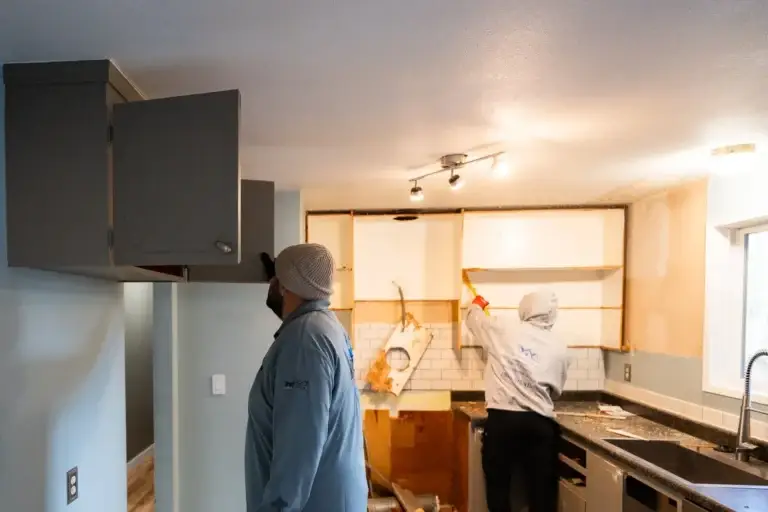
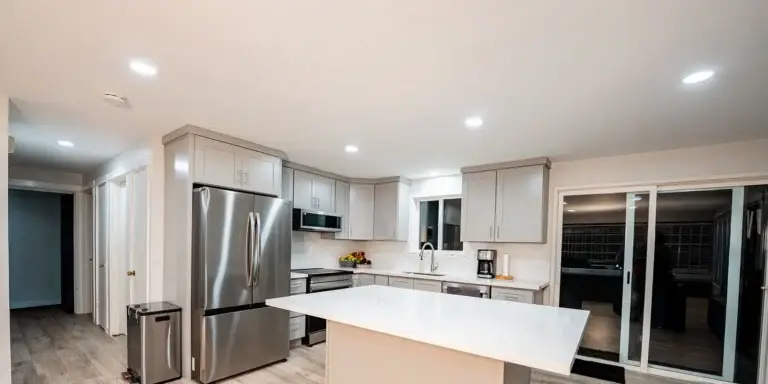
Kitchen and Bathroom Modernization
Planning a remodel?
Structural Changes
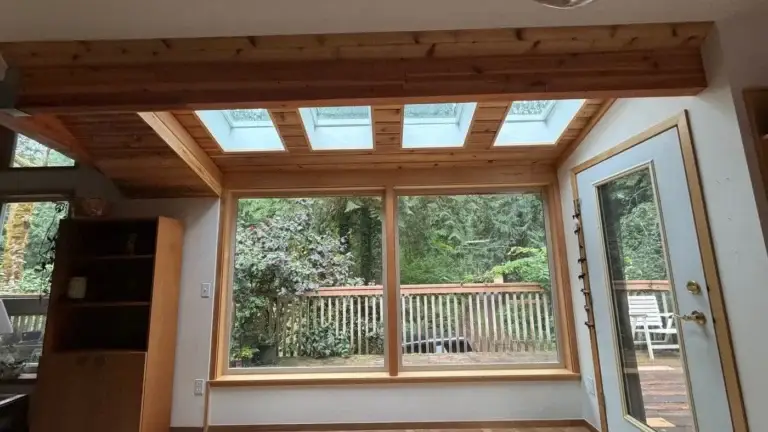
Exterior Envelopes: Siding and Windows
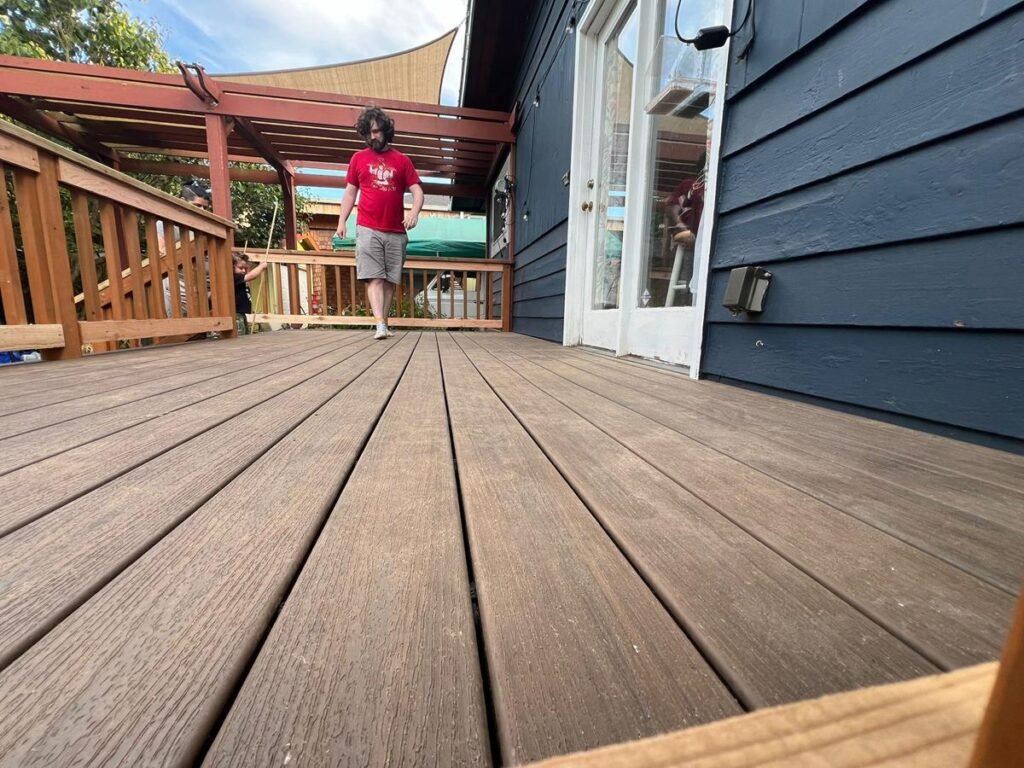
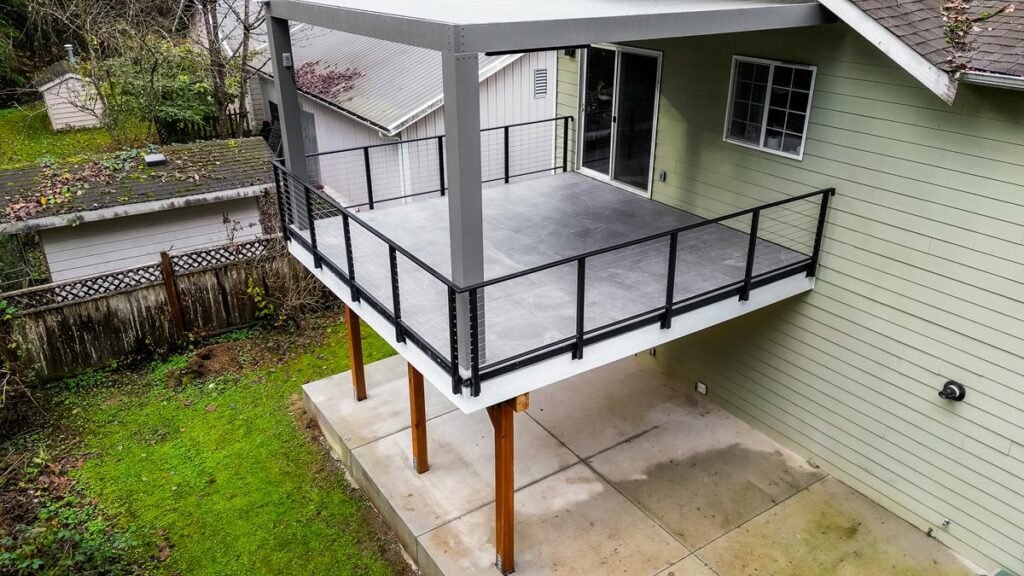
Decks and Porches
Cost Breakdown: Budgeting for Modernization in Kent
2026 Budgeting Factors and Valuation Table
Project Component
| Hard Costs (Labor/Material)
| Administrative (Permit/Design)
|
Kitchen Remodel
| $25,100 – $65,000+
| $800 – $2,500
|
Bathroom Remodel
| $12,000 – $32,000
| $500 – $1,800
|
ADU Construction
| $150,000 – $350,000
| $3,500 – $7,000+
|
Deck Rebuild
| $15,000 – $40,000
| $400 – $1,200
|
Whole House Reno
| $100,000 – $250,000+
| $2,500 – $6,500
|
The “Hidden” Costs of 2026 Compliance
- Aluminum Wiring: Common in the early 70s and requires remediation or replacement for fire safety.
- Galvanized Pipes: Often corroded from the inside out, leading to low water pressure.
- Unpermitted Additions: Previous owners may have finished a basement without a permit, requiring current owners to “bring it to code” before new work can be approved.
Step-by-Step Application Process Through Local Building Department
The Permit Journey
- Site Plan & Intake: You must provide a site plan showing property lines, easements, and all existing structures. For ADUs, this must also include utility connection points.
- Electronic Submittal: All drawings must be “flattened” PDFs under 60MB. Vague hand-sketched plans are the primary cause of immediate rejection in 2026.
- Plan Review: City staff review for fire safety, structural integrity, and energy code compliance. If your home was built before 1978, expect to provide documentation on lead and asbestos mitigation plans.
- Fee Payment: Permits in Kent involve a base fee plus valuation-based charges. All remaining fees must be paid via the portal before the permit is officially “Issued.”
- Inspections: You must schedule inspections at key milestones. Work cannot be covered by drywall until the “Rough-in” (plumbing, electric, and framing) has been signed off by a city inspector.
Timeline Expectations: From Submission to Final Inspection
- Minor Permits (Siding/Windows): 1–2 weeks. These are often processed as “Over the Counter” or through the Minor Work portal.
- Interior Remodels (Kitchens/Baths): 3–5 weeks for review. This allows time for plumbing and mechanical plan checks.
- Major Additions/ADUs: 6–14 weeks. This includes time for potential “correction cycles” where the city requests more detail on structural loads or energy credit calculations.
Construction Seasons
Mistakes That Lead to Permit Rejections or Project Holdups
- The “Cosmetic” Trap: Assuming that a full bathroom gut-and-rebuild is “just cosmetic.” If you move a drain or add a dedicated 20-amp circuit for a heated floor, you need a permit.
- Incomplete Energy Worksheets: Washington’s 2026 energy codes are strict. Missing insulation values or failing to account for “thermal bridging” in your plans will trigger an immediate “Request for Information” (RFI), halting your project before it starts.
- Unlicensed Contractors: Kent requires contractors to have both a Washington State license and a City of Kent business license. Using an unlicensed “handyman” for permitted work can lead to a Stop Work Order and may void your homeowner’s insurance if a failure occurs later.
- Ignoring Hidden Hazards: In homes built before 1978, failing to test for lead or asbestos before demolition is a violation of L&I safety rules. Professional remediation is required if these materials are present.
How Professional Contractors Streamline Execution
The Power of Systems-Based Remodeling
- Demolition is immediately followed by a hazardous materials check.
- Rough-in trades (plumbers and electricians) work in a tight window so the framing inspector can visit once.
- Insulation and Drywall happen only after the “Energy Credit” checklist is verified.
FAQ – People Also Ask
If you are only replacing the cabinets in the exact same footprint without moving the sink, changing the plumbing, or adding new electrical outlets, it is considered cosmetic and does not require a permit.
Fees are based on the total valuation of the work. For a typical $30,000 kitchen remodel, you can expect permit and plan review fees to fall between $800 and $1,500, depending on the number of trade permits (electrical/plumbing) required.
Yes. A homeowner can act as their own general contractor, but they must live in the home (it cannot be a rental) and they assume all legal and safety responsibility for the work meeting the current International Residential Code (IRC).
Yes. Kent’s "ReCode" efforts make basement conversions (Internal ADUs) a popular and often more affordable option than detached structures. However, you must ensure the ceiling height is at least 7 feet and that there is a proper egress window for safety.
If the city discovers unpermitted work, they can issue a Stop Work Order and charge double permit fees as a penalty. More importantly, unpermitted work can lead to "clouded titles" during a home sale, where a buyer's lender may refuse to finance the home until the work is inspected and permitted retroactively.